
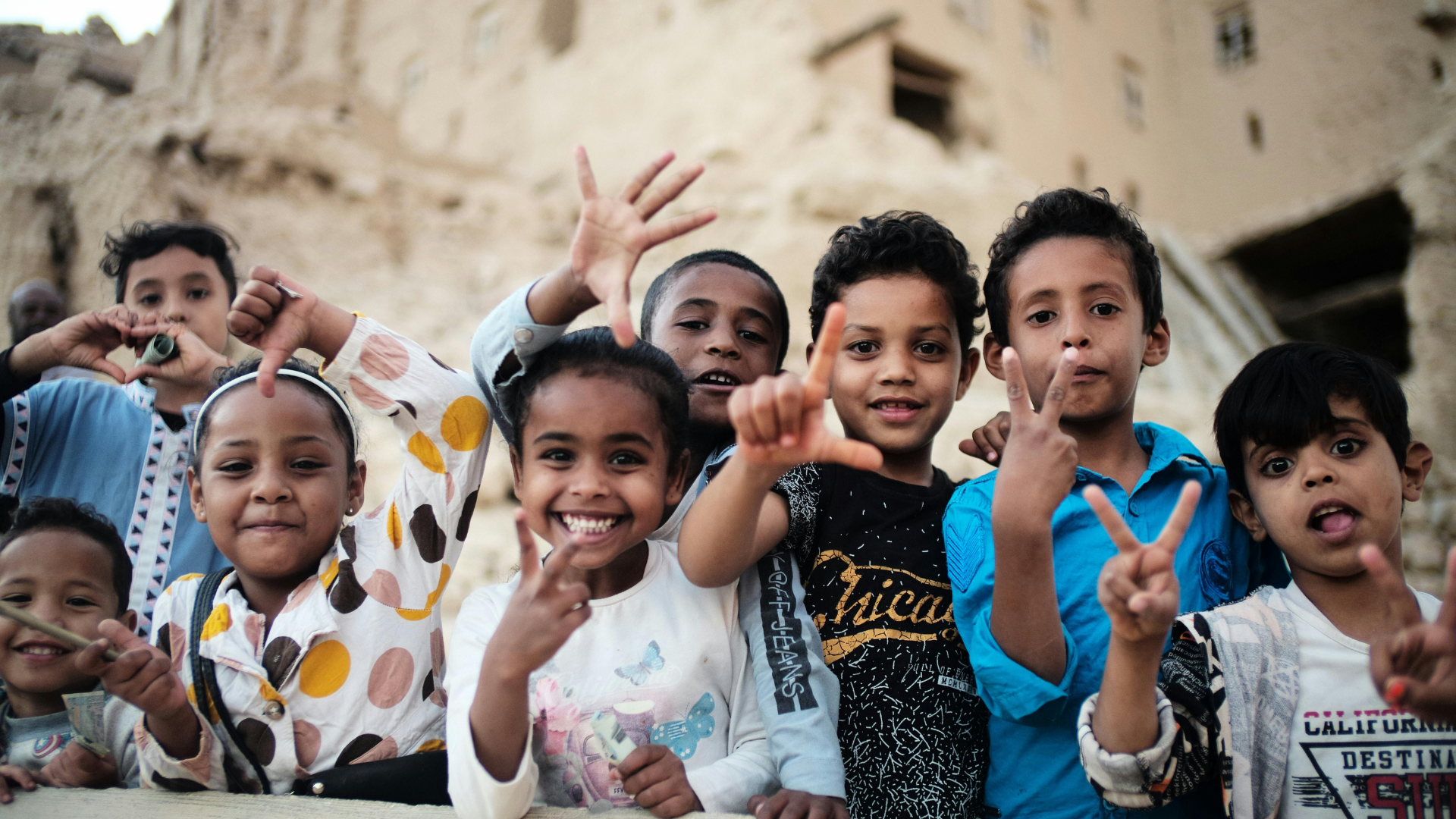
Building a social circle in a foreign country can feel daunting, but it is a rewarding endeavour that can greatly enrich the experience of living abroad. Meeting new people and forming connections is essential for creating a support network that enhances both personal and professional life. With the right strategies, anyone can foster friendships and establish a community that helps ease the challenges of adapting to a new environment.
Engaging with local culture is a crucial step in forming relationships. Immersing oneself in activities such as language classes, community events, or clubs can provide opportunities to meet like-minded individuals and create lasting bonds. By showing genuine interest in the local way of life, one can attract friendships that are both meaningful and beneficial.
Additionally, leveraging social media and networking platforms can help expand one’s reach. Whether joining expat groups or local interest forums, these online spaces can serve as gateways to real-world connections. Ultimately, building a social circle in a foreign country requires a proactive approach and an open mindset, inviting new possibilities and friendships into one’s life.
Laying the Foundation for Building a Social Circle
Establishing connections in a foreign country begins with recognising the potential challenges and embracing a new identity. Key aspects include confronting culture shock and understanding how one’s identity can evolve in a new environment.
Confronting Culture Shock
Culture shock is a common experience for individuals moving to a new country. It can manifest in various ways, including feelings of isolation, frustration, or confusion. Recognising these emotions is crucial for adapting effectively.
Strategies to manage culture shock:
- Acknowledge feelings: Understand that feeling out of place is normal.
- Familiarise yourself with local customs: Engage with cultural practices to ease the transition.
- Connect with others: Seek support from both locals and fellow expatriates.
By addressing culture shock proactively, individuals can foster resilience and openness towards their new environment.
Understanding Your New Identity
A move to a foreign country often prompts a reevaluation of one’s identity. Embracing a new identity can enhance social interactions and build connections.
Consider these aspects:
- Cultural integration: Participate in local events to immerse oneself in the culture.
- Self-reflection: Assess how the new environment shapes personal values and beliefs.
- Networking opportunities: Join clubs or groups that align with interests, providing avenues to meet like-minded individuals.
This journey enables a person to forge deeper connections and develop a supportive social circle, adapting to their surroundings while maintaining authenticity.
Effective Ways to Meet New People
Building a social circle in a foreign country can be rewarding. Several effective strategies can facilitate connections and foster friendships.
Joining Expat Groups and Clubs
Expat groups provide a platform for individuals from various backgrounds to connect over shared experiences. These groups often organise events like meet-ups, cultural outings, and social activities.
He or she can access local expat forums or social media platforms, such as Facebook, to find these communities. Popular groups typically post schedules for gatherings, discussions, and interest-based clubs.
Participating in sports clubs, hobby groups, or language classes can also enhance the experience. These environments promote interaction, allowing individuals to bond over common interests, making it easier to form lasting friendships.
Using Social Media and Online Platforms
Social media plays a crucial role in connecting with others. Platforms like Facebook and Meetup can help individuals discover local events that fit their interests.
Joining specific groups related to expat life enables them to meet people with similar backgrounds or hobbies. He or she can engage in conversations, ask for recommendations, or simply find companionship.
Online platforms often provide forums for asking questions about navigating life in a new country. By sharing experiences, individuals can forge connections that transition into in-person meetings.
For those who prefer a more immediate and casual way to meet people, video chat applications are a popular alternative. Some platforms allow users to select a specific mood or topic before they connect with others. This helps skip the awkward small talk because everyone starts with a common interest.
Websites like https://whatsthevibe.co/ let people join small group chats or one-on-one sessions based on these shared preferences. It is a simple way to practice language skills or make new friends from the comfort of home.
Participating in Volunteering Opportunities
Volunteering is an excellent way to meet new people while contributing to the community. Many organisations welcome expats, offering roles that align with diverse skills and interests.
By volunteering, he or she can connect with locals and other expats who share a commitment to social causes. This creates a meaningful context for friendships to develop organically.
From charities to environmental efforts, there are numerous opportunities available. Engaging in these activities fosters connections that are based on shared values and teamwork.
Leveraging Public Transport for Socialising
Public transport can be an unexpected avenue for meeting new people. Regular commuters, whether on buses or trains, often establish casual connections during their daily routines.
He or she can seize opportunities to strike up conversations with fellow passengers. A friendly smile or a simple greeting can break the ice.
Additionally, participating in transport-related events or community discussions can broaden their social network. Understanding local transport routes can also help them feel more integrated into the community.
Strengthening Friendships and Building Deeper Connections
Building a strong social circle requires consistent effort and dedication. It involves making new friendships and nurturing them to develop deeper connections over time. This section outlines effective strategies to strengthen friendships while balancing personal and professional aspects of life.
Making and Maintaining Friendships
To make friends in a foreign country, he or she should seek out activities that align with personal interests. Joining clubs or classes, such as cooking or art, provides opportunities to meet like-minded individuals.
Maintaining friendships requires regular communication. Messaging or calling friends regularly creates a sense of connection. Social media can also help keep everyone updated on each other’s lives, even from a distance.
Consider organising gatherings, such as game nights or casual dinners. These events encourage bonding and allow friendships to flourish. Being open and vulnerable in conversations can foster deeper connections, as it creates a supportive environment where individuals can share experiences and feelings.
Balancing Work and Social Life
Finding a balance between work and social life is crucial in a foreign country. He or she should set boundaries on work hours to ensure personal time is prioritised. Creating a weekly schedule can help designate specific times for socialising.
Incorporating social activities into daily routines is beneficial. For example, inviting colleagues for lunch or coffee can strengthen workplace relationships. Participating in after-work events or local meet-ups can further enhance social opportunities.
It’s essential to monitor one’s energy levels and avoid overcommitting. Dedicating time to unwind and relax will enable him or her to engage more meaningfully when socialising.
Practising English or Local Languages
Practising the local language is key to forming connections. Engaging in language exchange groups or conversation clubs can help enhance communication skills while meeting new people.
Language-related activities build confidence and show others a willingness to integrate. He or she may also find that friends appreciate the effort, creating goodwill and mutual support.
Additionally, improving proficiency in English can open doors to more friendships. Attending English-speaking social events or classes creates opportunities to meet individuals from different backgrounds, further enriching one’s social circle.
Personal Development Through Social Interaction
Social interactions play a significant role in personal development. He or she can gain diverse perspectives and experiences through friendships.
Engaging with individuals from different cultures fosters understanding and tolerance. This not only enhances social skills but also contributes to emotional intelligence.
Challenge oneself through group activities, such as team sports or volunteering. This promotes collaboration and enhances confidence. Such experiences often lead to cherished memories and deeper connections with others in the community.