
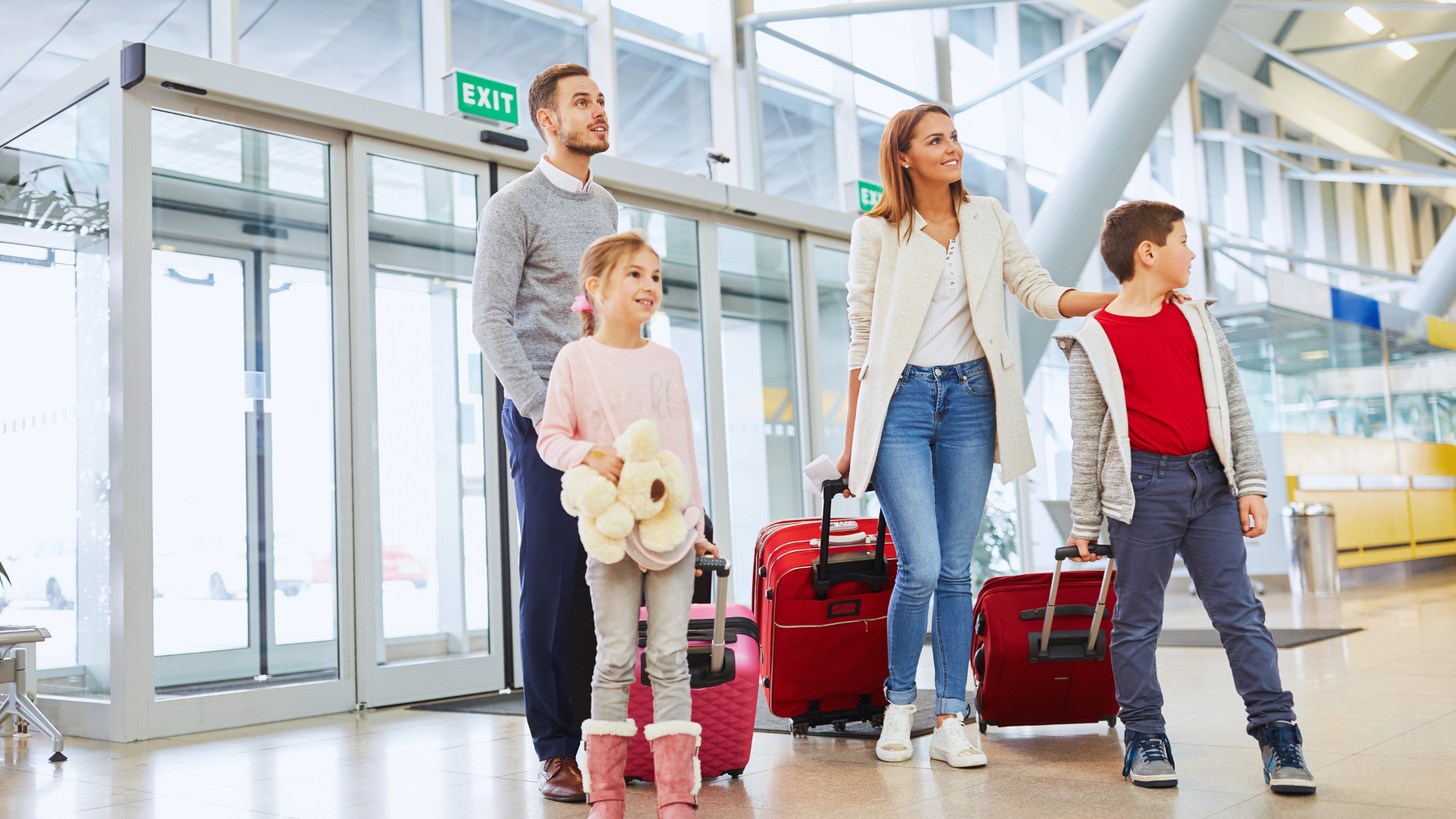
Travelling with family can be rewarding but also challenging without proper planning. The best way to ensure a smooth trip is to organise logistics in advance, set clear expectations, and keep everyone’s needs in mind. This approach minimises stress and helps create positive memories for all.
Choosing family-friendly destinations and packing smartly can save time and reduce discomfort. Simple strategies like planning activities for all ages and maintaining flexibility make the experience more enjoyable.
Planning Your Family Trip
Effective planning involves balancing costs, selecting suitable destinations, and organising activities. Prioritising these elements ensures a smoother experience for every family member.
Setting a Realistic Budget
Begin by estimating major expenses: transportation, lodging, food, and activities. Factor in extra costs like souvenirs, emergency funds, and travel insurance. Use a spreadsheet or budgeting apps to track expenses.
Consider affordable options such as off-peak travel, vacation rentals, or package deals. Setting clear limits early helps avoid overspending and keeps everyone’s expectations aligned.
Include a buffer for unexpected costs. Communicate the budget with family members so they understand spending restrictions, minimising conflicts during the trip.
Choosing Family-Friendly Destinations
Look for locations that offer attractions appealing to all ages, such as parks, museums, and interactive exhibits. Safety, ease of access, and healthcare availability are essential factors.
Check accommodations for kid-friendly amenities like pools, playgrounds, or babysitting services. Research local transportation and dining options suitable for children.
Use reviews from other families to gauge destination suitability. Prioritise places with a variety of activities, ensuring each family member has engaging options.
Creating a Flexible Itinerary
Plan key activities but leave room for rest, unplanned stops, or changes in mood. Avoid packing each day with back-to-back events to prevent exhaustion.
Include downtime and options for quick outings or nearby attractions. Let children participate in deciding some activities, boosting their engagement and cooperation.
Use tools like shared calendars or travel apps to keep everyone informed. Flexibility helps manage unexpected delays or interests without disrupting the trip’s flow.
Packing Smart for Family Travel
Efficient packing can reduce stress and keep everyone comfortable during a trip. Focus on prioritising necessary items, keeping belongings organised, and including essential health and safety supplies.
Essential Packing Tips for Parents
Start with a packing list categorised by destination and climate. Include versatile clothing that can be layered or mixed and matched. Bring extra outfits for each child to handle spills or unexpected changes.
Pack small, leak-proof toiletry bottles instead of full-sized products to save space. Don’t forget chargers, travel documents, and a compact first aid kit. Keep important items like passports, money, and medication in a secure, easy-to-reach bag.
Use packing cubes or compression bags to maximise suitcase space. Leave room for souvenirs or additional purchases to avoid overstuffing on return trips.
Organisation Strategies for Kids’ Belongings
Label each child’s bags clearly with their name and contact information. Use colour-coded packing cubes or backpacks to help kids identify their items quickly.
Pack toys, books, and electronics in a soft, accessible bag for use during travel. Include a few small, quiet entertainment options per child.
Teach kids to pack their own day bag with essentials like water, snacks, and a change of clothes. This encourages responsibility and ensures they have what they need during outings.
Safety and Health Essentials
Carry a well-stocked first aid kit including band-aids, antiseptic wipes, pain relievers, and any prescription medicines. Tailor the kit to your family’s specific health needs.
Bring hand sanitiser and disposable wipes to maintain hygiene, especially in high-traffic areas. Include insect repellent and sunscreen suitable for all ages.
Pack a list of emergency contacts, local medical facilities, and insurance information. Keep masks and a thermometer handy, as health safety protocols may vary by location.
Booking Accommodations and Transportation
Finding the right place to stay and planning how to get around are essential for a smooth family trip. Prioritising comfort, convenience, and safety can reduce stress and keep everyone satisfied.
Selecting Family-Oriented Accommodations
Choose accommodations with amenities like kitchenettes, laundry facilities, and separate sleeping areas. These features help families manage meals and routines easily. Look for hotels or rentals that offer free breakfast, kid-friendly pools, or play areas.
Check for family packages or deals that may reduce overall costs. Read reviews focusing on noise levels, cleanliness, and nearby attractions. Location is key—opt for places close to main attractions or public transportation to minimise daily travel time.
Booking early often secures better rates and availability, especially during school holidays. Confirm the property’s child safety features, such as window guards or fenced balconies.
Navigating Transportation with Children
Plan transportation keeping children’s comfort and schedules in mind. For air travel, select seats that offer extra legroom or allow families to sit together. Bring snacks, entertainment, and a travel pillow to keep kids calm and comfortable.
If renting a car, reserve appropriate car seats or boosters in advance. Choose vehicles with ample space for luggage and strollers. When using public transit, check routes and schedules against nap or meal times to avoid disruptions.
For long drives, break the trip into smaller legs with planned rest stops. Use apps or guides to find family-friendly dining and restroom options along the way.
Travelling with Young Children
Keeping young children comfortable and engaged during travel often requires planning and flexibility. Sleep patterns and entertainment are two of the most critical factors to address for a smoother journey.
Managing Sleep Schedules on the Road
Maintaining a consistent sleep schedule helps minimise crankiness and exhaustion. Bring familiar items like a favourite blanket or stuffed animal to create a comforting sleep environment.
Iftravellingg across time zones, gradually adjust bedtime by 15-30 minutes a day before departure to reduce jet lag. Use blackout curtains or eye masks to simulate night during daytime naps.
Plan travel times around your child’s natural sleep patterns. For example, schedule long flights or drives during usual nap times to encourage rest on the move. Avoid overstimulation before bed by limiting screen time and loud activities.
Entertaining Kids During Transit
Prepare a variety of portable entertainment options to prevent boredom. Small toys, colouring books, and puzzles work well in confined spaces. Content on tablets should be downloaded before travel to avoid connectivity issues.
Rotate activities to maintain interest. For example, alternate between interactive games, storytime, and quiet play. Snacks can also serve as a distraction, but should be healthy and easy to eat.
Engage your child with conversation or simple travel-related games like “I Spy.” Frequent breaks during ground travel allow children to stretch and release pent-up energy.
Mealtime Strategies While Travelling
Planning mealtime efficiently can reduce stress and keep everyone energised. Prioritising nutritious snacks and choosing the right dining spots are essential for a smooth experience.
Healthy Snack Options for Families
Pack snacks that are both nutritious and travel-friendly. Items like mixed nuts, whole-grain crackers, fresh fruit slices, and yoghurt pouches offer balanced energy without mess.
Avoid sugary snacks and heavily processed foods to maintain steady energy and prevent hunger spikes. Portion snacks into small containers or reusable bags for easy access during transit.
Consider dietary restrictions and preferences. Gluten-free granola bars, cheese sticks, and baby carrots are examples that suit common needs. Keeping hydrated with water or diluted fruit juices is equally important.
Finding Suitable Restaurants
Research dining options ahead of time to avoid last-minute stress. Look for family-friendly restaurants that offer varied menus and kid-sized portions.
Use apps to check ratings, wait times, and available amenities like high chairs or play areas. Prioritise places with diverse options, including vegetarian or allergy-sensitive meals.
Scheduling meals outside peak hours can reduce wait times. Calling ahead to confirm seating or menu options saves time and prevents disappointment.
Keeping Everyone Safe and Healthy
Travelling with family requires careful planning to handle unexpected health situations and ensure coverage for any medical needs. Carrying essential medical supplies and understanding your insurance options can reduce stress during your trip.
Handling Medical Emergencies
Always pack a well-stocked first aid kit containing bandages, antiseptic wipes, pain relievers, and any prescription medications your family needs. Know the location and contact details of nearby hospitals or urgent care centres at your destination.
Create a list of each family member’s medical conditions and allergies. Share this list with all travelling adults and keep copies accessible. In case of an emergency, clear, concise information speeds up treatment.
Teach children basic safety rules, like not wandering off and how to find a trusted adult. Have a plan for regrouping if anyone becomes separated. Carry identification for each child, including emergency contact info.
Staying Up to Date with Travel Insurance
Verify that your travel insurance covers all family members and includes coverage for medical emergencies, emergency evacuation, and trip cancellations. Review policies carefully to understand exclusions and claim procedures.
If travelling internationally, confirm the insurance covers the countries on your itinerary. Some plans require advance registration or have limited coverage for pre-existing medical conditions.
Keep digital and printed copies of your insurance documents accessible. Save the emergency contact number of your insurer on your phone and share it with other adults in your group. This preparation can ease access to help when needed.
Making the Most of Family Time
Spending quality time together on a trip requires planning and attention to detail that suits everyone’s preferences. Prioritising moments that everyone can enjoy and preserving memories ensures the trip is meaningful.
Capturing Memorable Moments
Use a mix of photos and short videos to document unique family interactions. Encourage each family member to take pictures or record clips from their perspective, creating a more personal and diverse collection of memories.
Bring a small notebook or digital journal to jot down funny or touching moments as they happen. This helps capture experiences that photos might miss, like conversations or impressions.
Store these memories in a shared album accessible to all family members. This way, everyone can revisit highlights and contribute stories after the trip.
Balancing Activities for All Ages
Plan a daily schedule that alternates between activities geared toward younger and older family members. This approach prevents anyone from feeling left out.
Create a list of activity options with input from everyone. For example:
| Age Group | Example Activities |
| Children (5-10 years) | Zoo visit, playground, crafts |
| Tweens (10-13 years) | Museum tours, hiking trails |
| Teens (14-18 years) | Water sports, local markets |
| Adults | Historic sites, dining out |
Schedule downtime and flexible periods to accommodate energy levels and avoid exhaustion. This balance keeps the trip enjoyable for all ages.
Adjusting to Unexpected Challenges
Travel with family often involves sudden changes and obstacles. Knowing how to remain steady and address issues efficiently can reduce stress and keep the trip enjoyable.
Staying Calm During Travel Delays
Delays are common, especially in air and ground travel. Keeping a composed attitude sets a positive tone for children and other family members.
Create a quiet space or distraction by bringing books, games, or electronic devices charged beforehand. Taking deep breaths and sticking to a routine, like regular snack or rest breaks, helps maintain calmness.
Communicate clearly with the family about what’s happening. This transparency reduces confusion and worry. Use the waiting time to plan alternative activities or explore nearby shops and amenities if possible.
Problem-Solving on the Go
Flexibility is key when travel plans suddenly shift. Quickly assessing the situation and weighing available options prevents wasted time.
Make a checklist of priorities: Is it more urgent to secure new transportation, find accommodation, or care for a sick family member? Contact service providers immediately, using apps or phone calls, to reschedule bookings or request assistance.
Keep essential items like portable chargers and first aid kits handy. Collaborate with family members to delegate tasks, such as watching luggage or updating schedules. This shared responsibility speeds up solutions and maintains group morale.
Encouraging Family Engagement and Learning
Keeping children actively involved during trips enriches their experience and helps the entire family connect. Using hands-on activities and immersive cultural encounters can create meaningful moments and foster curiosity.
Interactive Activities for Children
Bring along tools like travel journals, sketchbooks, or scavenger hunt lists tailored to your destination. These encourage kids to observe closely and document what they see, making learning more tangible.
Games that involve counting landmarks, identifying animals, or spotting specific colours can engage children on the move. Technology, such as educational apps or audiobooks, can also be useful during transit times to maintain attention.
Involving children in simple tasks such as map reading, itinerary planning, or packing offers a sense of responsibility. This active participation can reduce boredom and boost interest in the trip.
Cultural Experiences as a Family
Participate in local customs and traditions together, like attending festivals or trying regional foods. These shared moments deepen family bonds and provide firsthand insight into the destination’s culture.
Visit museums, markets, and historical sites with a focus on interactive exhibits or workshops designed for families. Asking local guides questions can also open conversations about the culture in an accessible way.
Encourage respectful curiosity by learning basic phrases in the local language as a family. This demonstrates interest and respect, helping bridge cultural gaps during the visit.
Sustainable and Responsible Family Travel
Travelling responsibly means minimising your impact on the environment and respecting local cultures. Families can teach children the importance of sustainability by practising eco-friendly habits during trips.
Simple steps to reduce your footprint include:
- Choosing accommodations with green certifications
- Using public transportation or walking when possible
- Avoiding single-use plastics by carrying reusable bottles and bags
Engaging with local communities in respectful ways encourages understanding and supports their economies. Opt for locally-owned restaurants and shops to provide authentic experiences and boost local income.
| Practice | Benefit | Example |
| Carry reusable items | Reduces waste | Refillable water bottles |
| Support local businesses | Strengthens the community economy | Eating at family-run cafes |
| Use eco-friendly products | Protects ecosystems | Biodegradable sunscreen |
Teaching children to appreciate nature and cultures helps create mindful future travellers. Discuss the importance of conservation and cultural respect before and during the trip.
Travel choices can influence the planet’s health and local communities. Thoughtful planning is key to a more sustainable family vacation.