Beyond the Hotel Room: Why Mobile Travel is Redefining Modern Holidays
More and more people are becoming conscious of the impact their travels have on the planet and the communities they visit, opting for sustainable and responsible tourism instead. Traditional tourism puts a strain on resources, generates a lot of waste, and often disrupts local cultures and wildlife. Sustainable tourism, on the other hand, aims to minimize these negative effects and maximize the positive ones.
From Hub-and-Spoke to the Open Road
Conventional vacations are based on a central point A type of geometry with you anchoring at one property and then spending each day traveling out to a new location, and making your way back to the original location each night. The challenge with that type of vacation isn’t that it’s cozy, but that it’s so limiting. You’re constantly trying to reach a fixed point.
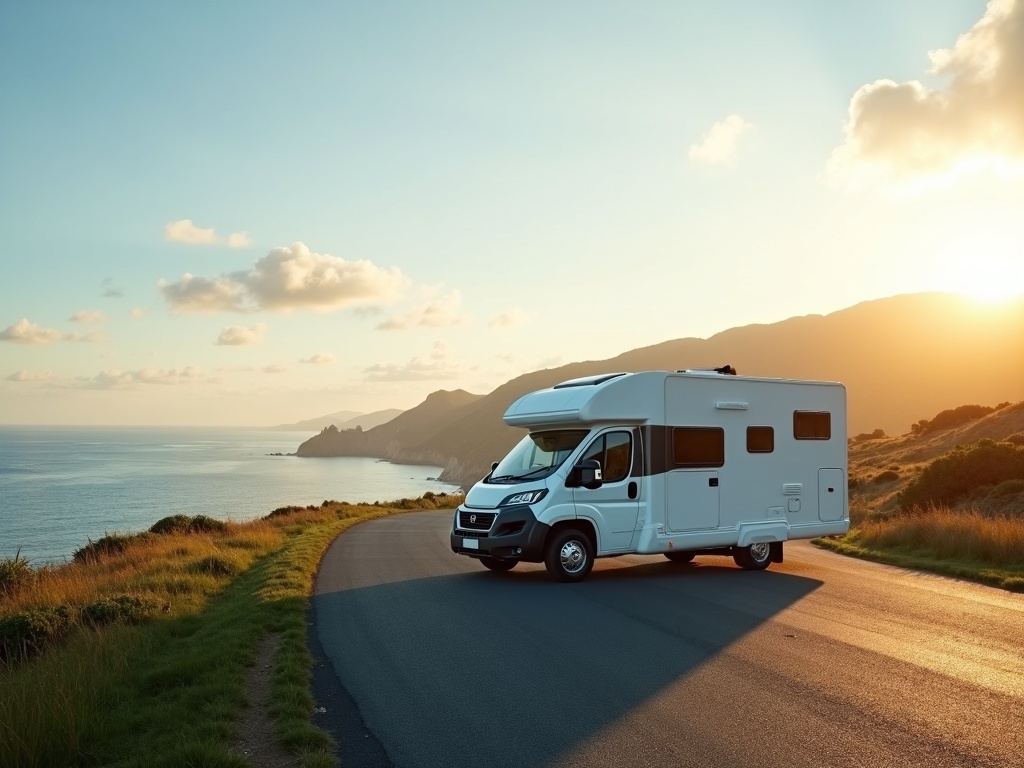
A mobile holiday changes all of that. For example, a straight-line journey through a park, along a coast, or along a mountain range doesn’t require a hotel room. You move as you desire. If a location grabs you, you linger. If it doesn’t, you leave early the next morning. No tour bus engines and their beep-beeping backup alarms. No dodging selfie sticks at the complimentary morning waffle station. That’s not roughing it. That’s a superior layout.
Scenic drives such as Scotland’s north coast NC500 have become synonyms for this type of vacation, long, meandering, destination-dense spines in the map that only work if you are your own permanent accommodation.
How Remote Work Changed the Length of the Trip
Remote work technology has made a real difference to the economics of mobile travel. Starlink, mobile hotspots, and increasingly powerful portable routers mean that a motorhome can operate as a viable workspace. That changes the question from "can we afford a week away?" to "how long do we actually want to be out here?"
The workation (work & vacation) concept simply elongates trips that would previously have been limited to five or seven days. A family can travel for three weeks through remote, empty countryside and no-one runs out of annual leave. The motorhome is a mobile home office with the added advantage of waking up somewhere new every three or four days.
This is where professional Motorhome Hire services are genuinely necessary, modern hire vehicles have the kind of on board facilities, reliable power systems, and sensible layouts to allow extended trips and remove the maintenance and ownership costs that would render this lifestyle unaffordable.
Active Autonomy vs. Passive Consumption
There is a mental aspect to this that is often overlooked. Resort travel tends to be relatively passive. Others determine mealtime, the menu, and what activities you can partake in. You consume what they provide.
Mobile travel is the polar opposite. You choose where to stop, what to make, when to eat, and how long you want to stand at any particular waterfall. That level of freedom seems insignificant until you spend a holiday with none of it. The ability to pull over at that roadside stall, grab some local goods, and cook dinner with a view of the lake is not a trade-off, it’s the goal.
This move towards what the slow travel movement would term as a real sense of place, a true connection to where you are, is a direct response against the concept of bucket-list tourism. People are less interested in ticking off sights and more interested in sticking around in places that feel authentic.
The Cost Argument is More Straightforward Than People Think
Separating hotel rates, restaurant costs, and transport may seem reasonable until you start pricing out a week’s family holiday, and everything gets expensive very quickly. A motorhome or campervan merely consolidates your accommodation and transport into one line item. Food costs decrease because you’re cooking most meals rather than eating out by necessity.
The motorhome and caravan industry contributes over £11.5 billion to the UK economy annually (Centre for Economics and Business Research) because so many households have effectively done this math and made the same call. It’s not that mobile accommodation is cheap; it’s that the value is more apparent and more controllable.
For four or more people, the per-person cost of a hired vehicle often goes well below the equivalent hotel stays, and without the friction of a multiple-room booking, needing to reserve tables at dinner in advance, or a check-in window.
Micro-Adventures and the Last-Minute Pivot
One of the things a fixed booking really can’t replicate is the freedom to change your mind. Weather turns bad on the coast, drive inland. Someone at a petrol station mentions a waterfall that’s not in any of your guidebooks, head there. A campsite is nicer than you thought it’d be, stay an extra night.
This adaptability is central to what makes mobile travel unique. We’re all increasingly aware of the strain that mass tourism is putting on our city-break hotspots, and a growing number of travellers are being pushed towards more spread out, rural holiday plans, the motorhome is the perfect vehicle for that style of holiday. You’re not locked into anything.
Your holiday isn’t a thing you buy and use; it’s a thing that unravels as you travel. That’s a different kind of freedom to what a hotel room offers, and once you’ve experienced it, a fixed booking will never feel quite the same again.