
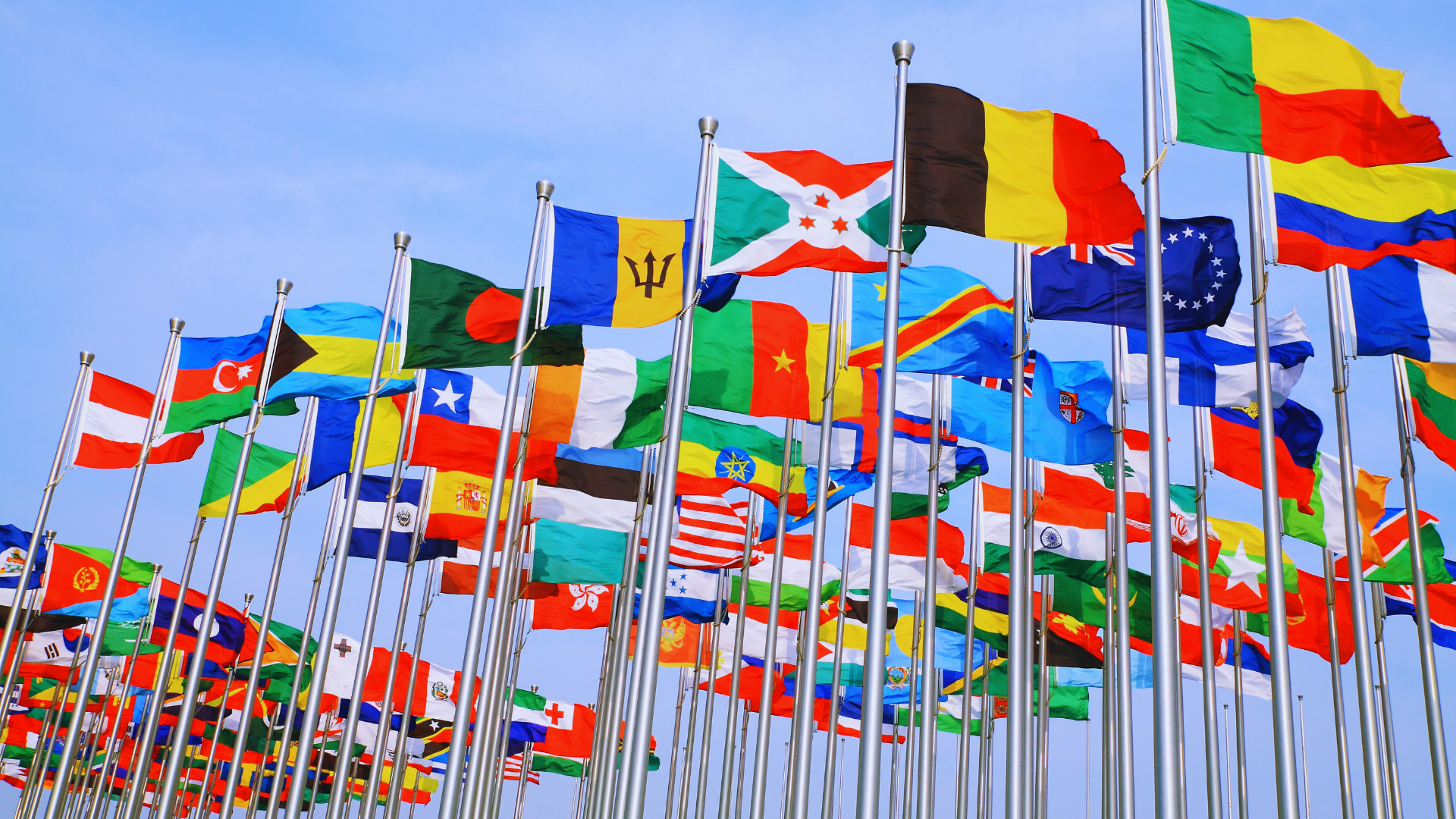
The concept of safety varies across the globe, influenced by factors such as political stability, crime rates, and social justice. The world’s safest countries are consistently those that score high on the Global Peace Index, reflecting low levels of violence and conflict. These countries offer not only a sanctuary for their citizens but also an appealing environment for tourists and expatriates alike.
The Global Peace Index measures the peacefulness of nations based on a range of indicators, including crime rates, military expenditure, and domestic political tension. Countries that frequently top this list demonstrate robust security systems and a commitment to maintaining order, making them stand out as havens compared to more tumultuous regions.
As awareness of these safe havens grows, many seek to understand what contributes to their tranquillity. Readers will discover which countries are currently leading in safety and what factors enable them to maintain such high standards of security.
Evaluating Country Safety
Assessing the safety of a country involves a multifaceted approach encompassing various indicators and frameworks. The analysis often hinges on peace indices, societal security metrics, militarisation status, and economic factors.
Global Peace Index Methodology
The Global Peace Index (GPI) serves as a comprehensive measure of national peace. It evaluates countries on three main domains: the level of societal safety and security, the extent of militarisation, and the degree of international conflict.
The GPI employs 23 indicators, which include perceptions of crime, political stability, and levels of violence. Countries are then ranked according to their scores, with lower scores indicating higher safety. For instance, Iceland consistently ranks at the top, benefiting from low crime rates and minimal military presence.
Societal Safety and Security Indicators
Societal safety encompasses a range of factors that influence individuals’ everyday lives. Key indicators include crime rates, police reliability, and the presence of corruption within government institutions.
Countries with strong legal systems and transparent governance typically showcase low crime rates and high levels of public trust. For instance, nations like Finland and Switzerland exhibit robust societal safety, contributing to their overall peace ratings. In contrast, high levels of corruption can erode public trust and increase crime, negatively impacting societal security.
Militarisation and International Conflict
The militarisation of a nation affects its safety significantly. Countries that maintain high military expenditure and large armed forces may be perceived as less peaceful.
The GPI evaluates military performance through factors such as weaponry, defence spending, and the presence of heavy military equipment. Nations involved in conflicts or those with strained international relations often experience instability.
For example, countries in conflict zones, like Syria, demonstrate intense militarisation alongside severe societal turmoil, thereby ranking low on safety indices.
Economic Impact of Safety and Security
Economic stability often correlates with a country’s safety. Strong economies can invest in infrastructure, healthcare, and education, contributing to societal well-being and security.
GDP levels and wealth distribution play a significant role in shaping national safety. Countries that enjoy higher GDP tend to offer better living standards, which can alleviate factors that lead to crime and unrest. Additionally, economic inequalities can exacerbate societal tensions, weakening safety.
The European Union illustrates this connection as most member states prioritise safety and security through collaborative economic policies, enhancing stability across the region.
Top Safest Countries
Safety rankings highlight a diverse group of nations consistently recognised for their low crime rates and peaceful environments. Some stand out due to their robust social systems and governance, while others benefit from unique geographical situations.
Iceland: A Case Study
Iceland frequently tops global safety rankings. With an impressive low crime rate, it boasts a strong sense of community and trust among citizens.
The country’s homogenous population contributes to its social stability. The police force is unarmed, reflecting the low level of violent crime. Additionally, Iceland’s remote location in the North Atlantic minimises the risks associated with international conflicts.
Reports show that residents experience a high quality of life, and access to healthcare further enhances overall well-being. This combination makes Iceland a model for safety and social cohesion.
Safety Trends in Europe
Europe is home to numerous safe countries, with Denmark, Switzerland, and Finland leading the charge. Denmark’s effective governance and high levels of equality contribute to its low crime rates.
Switzerland maintains safety through strict laws and an efficient police system. Its wealth and social harmony play critical roles in ensuring peace. Finland, known for its high-quality education and health systems, also reports low crime statistics.
Portugal and Slovenia have emerged as safe destinations, attracting tourists with their peacefulness. Countries in Europe continue to focus on societal well-being, reflecting a commitment to maintaining safety and security.
Asia-Pacific Region: Comparing Safety
The Asia-Pacific region showcases diverse safety levels, with Japan and Singapore standing out. Japan’s stringent law enforcement and societal norms foster a low incidence of crime.
Statistical reports highlight its impressive safety record, especially in urban areas. Singapore’s strict laws and high levels of public trust in authorities support its reputation as one of the safest cities in the world.
New Zealand also features prominently in safety rankings. Known for its friendly atmosphere and low levels of violence, it attracts many expats and tourists. Its geographical isolation offers a level of security not found in many other regions.
The Americas and Safety Perceptions
The Americans have a varied safety landscape, with Canada often regarded as a safe haven. Its universal healthcare and inclusive social policies contribute significantly to public safety. Highlighting low crime rates, cities like Ottawa and Vancouver rank high in safety comparisons.
In contrast, the safety perceptions in the United States vary widely by location. Urban areas may present higher crime rates, while many rural regions maintain safety. At the same time, many communities in the U.S. offer strong neighborhood networks, proactive policing, and community programs that contribute to a sense of security. For instance, in situations where legal protection becomes necessary, working with experienced arizona criminal defense lawyers (or elsewhere) can help individuals navigate the justice system and safeguard their rights. Overall, understanding local safety measures and resources allows residents to make informed choices and feel more confident in their surroundings.
Moreover, countries in Central and South America experience different challenges regarding safety. Although some, like Uruguay, have made strides toward improved safety, overall perceptions remain diverse and often influenced by local governance and socio-economic conditions.
Challenges to Safety Worldwide
Several interconnected challenges threaten safety in various regions. Factors such as armed conflict, sociopolitical instability, and the state of healthcare and education play significant roles in shaping the safety landscape.
War and Terrorism: Global Hotspots
Ongoing conflicts in countries like Yemen and Syria illustrate the severe impact of war on safety. In Yemen, a protracted civil war has resulted in a humanitarian crisis and rampant violence. This has led to high civilian casualties and destabilised the region.
Syria’s enduring conflict has created a breeding ground for terrorist organisations such as ISIS and Al-Nusra Front. In addition to direct violence, these conflicts contribute to widespread displacement, with millions seeking refuge in safer countries.
Likewise, regions like Sudan and the Democratic Republic of the Congo (DRC) face violence related to both internal strife and cross-border conflicts, exacerbating safety concerns. Terrorism remains a prominent threat globally, with attacks in diverse locations amplifying fear and instability.
Sociopolitical Factors and Public Unrest
Sociopolitical environments significantly influence safety levels. Countries experiencing public unrest, such as Mali, face deteriorating security situations due to protests and government instability. Citizens may take to the streets to voice discontent, leading to violent clashes with authorities.
In many nations, corruption and poor governance undermine public trust, preventing an effective response to crime and violence. High crime rates can stem from these factors, particularly in urban areas where economic disparities are prominent.
In contrast, nations with stable political systems and transparent governance usually enjoy higher safety levels. It highlights how critical good governance is in mitigating sociopolitical unrest and enhancing security.
Impact of Healthcare and Education on Safety
Healthcare and education are pivotal in shaping safety. Poor healthcare systems can result in health crises that destabilise societies. For example, inadequate medical infrastructure can lead to outbreaks of disease, which may cause public panic and heighten insecurity.
An educated populace tends to have lower crime rates and is better equipped to make informed decisions. Education fosters critical thinking, reduces poverty, and promotes social cohesion.
Conversely, lack of access to education can lead to heightened violence and crime, especially among youth. Countries that invest in health and education typically report better safety outcomes and lower violence levels.
Improving Safety and Peacefulness
Several factors contribute to enhancing safety and peace in nations. Key elements include government policies, public initiatives, and international collaborations, each playing a vital role in this endeavour.
Government Policies and Effective Governance
Effective governance is crucial for ensuring safety and peacefulness in a country. Governments can implement policies that prioritise societal safety and security. This includes promoting law enforcement improvements, such as better training for police, which enhances their ability to maintain order.
Moreover, policies that promote equality and education help reduce social tensions. The Institute for Economics and Peace provides research on how governance impacts peacefulness, including 23 indicators that measure factors like political stability and crime rates. Countries that actively address corruption and uphold the rule of law often experience lower crime rates and increased public trust.
Public Initiatives for Societal Safety
Public initiatives are essential in fostering a culture of safety and community involvement. Community policing, for example, encourages cooperation between law enforcement and residents, which can lead to reduced crime rates.
Non-governmental organisations may also engage in initiatives aimed at education and awareness. These programmes often focus on conflict resolution, promoting social cohesion and helping communities resolve disputes peacefully. Increasing access to education also plays a significant role, as educated populations tend to be more engaged and proactive in maintaining societal peace.
Role of International Organisations in Peacekeeping
International organisations, particularly the United Nations, are pivotal in maintaining global peace. Through peacekeeping missions, they intervene in conflict areas to restore order and protect civilians.
These missions often involve collaboration with local authorities to rebuild infrastructure and establish governance structures. Additionally, they promote socio-economic development to address the root causes of conflict. Such efforts contribute to long-term stability and reinforce the societal frameworks necessary for sustained peace.
The intersection of these elements ultimately leads to a safer and more peaceful world, highlighting the importance of collaborative efforts on multiple levels.