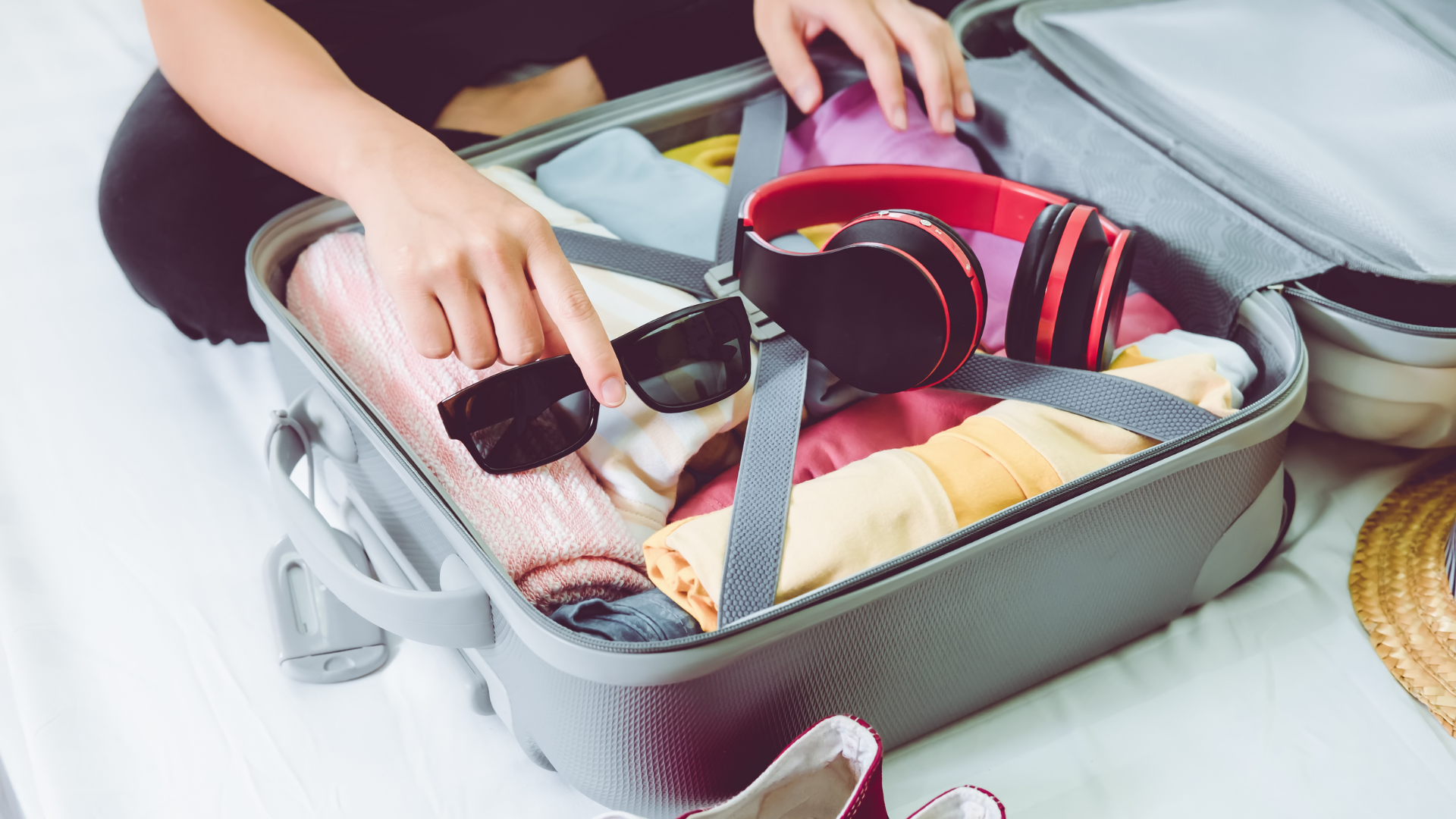
Packing for a solo adventure requires thoughtful consideration. The essential solo traveller’s packing list includes items that promote safety, convenience, and comfort. By being prepared, a solo traveller can focus more on discovery and less on logistics.
When packing for solo travel, essential items go beyond clothing. Important travel essentials might include portable chargers, a first-aid kit, and versatile clothing options that suit various climates. They must also ensure personal safety items, like a whistle or self-defence tool, are included.
Understanding what to pack can significantly enhance the solo travel experience. A well-thought-out packing list not only simplifies the journey but also ensures that nothing vital is left behind, allowing the traveller to embrace the adventure ahead with confidence.
Must-Have Travel Essentials for Solo Adventurers
For solo travellers, careful preparation is essential to ensure a safe and enjoyable trip. Having the right travel documents, money management tools, and health supplies significantly contributes to a seamless experience.
Travel Documents and Identification
When travelling solo, having the correct travel documents is crucial. A valid passport is the primary requirement for international journeys. It should be kept secure but accessible at all times.
Additional travel documents may include visas for specific countries, printed copies of hotel reservations, and an itinerary detailing travel plans. It’s wise to store digital copies in a secure cloud service for easy access if originals are lost.
A reliable travel insurance policy is also necessary. It protects against unforeseen events, including cancellations, medical emergencies, or lost belongings. Ensure the policy covers the destination and includes a local emergency contact number.
Money and Security Basics
Managing finances while travelling solo involves both cash and card options. Carrying some local currency is advisable, as not all locales accept cards. She or he should calculate daily expenses to determine how much money to bring.
Credit cards are essential for larger purchases and can offer added security. Choosing a card with no foreign transaction fees is advantageous. Also, she or he should notify the bank of travel plans to avoid card blocks due to foreign activity.
For security, consider money belts or hidden pouches to keep cash and cards safe. Avoid displaying large amounts of cash in public. A portable secure bag can help protect valuables while on the move.
Health and First Aid Items
Carrying a travel first aid kit can make a significant difference during solo travels. The kit should include essentials such as adhesive plasters, antiseptic wipes, pain relief tablets, and any prescribed medications.
She or he should also include items tailored to specific needs, such as allergy medications or personal hygiene products. A compact, organised first aid kit can be easily packed and accessed when needed.
In addition to a first aid kit, maintaining general health is vital. She or he should pack reusable water bottles to stay hydrated and consider portable snacks for energy. Sunscreen and insect repellent may also be necessary, depending on the destination.
Smart Clothing and Footwear Packing
Packing smartly for clothing and footwear is crucial for solo travellers. Choosing versatile and functional items ensures comfort and adaptability during various activities.
Essential Clothing Choices
It is important to select clothing that offers versatility. Consider layering; this allows for adjustments based on changing weather conditions. Key items include:
- T-shirts and Long-Sleeved Tops: Opt for quick-drying fabrics that are lightweight.
- Convertible Trousers: These can be transformed into shorts, suitable for warm climates.
- Lightweight Jacket: A packable waterproof jacket is essential for unexpected rain.
Additional items like socks should prioritise breathability and comfort. Merino wool socks are ideal as they manage moisture and odours. A headband can be useful for keeping hair away from the face, especially during activities.
Comfortable Footwear
Comfortable footwear is vital for long days of exploration. A pair of sturdy hiking boots is recommended for trekking on varied terrain. Look for boots that offer:
- Good Cushioning: This prevents foot fatigue during walks.
- Water Resistance: Essential for wet weather conditions.
- Proper Fit: Ensure there is room for thick socks.
For casual settings or lounging, packing a pair of flip-flops is practical. They are lightweight and useful for hostel showers or beach visits.
Weather and Activity Gear
Adapting to different conditions requires specific gear. For colder climates, include gloves that provide warmth while allowing dexterity. A compact beanie or hat also helps retain heat.
Selecting activity-specific clothing enhances comfort. If hiking, breathable sportswear is ideal, while swimwear should be quick-drying for beach destinations.
Utilising compression bags can maximise luggage space. They keep clothes organised and compressed, making it easy to find essentials while maintaining a tidy bag.
Tech, Gadgets, and Packing Tools
A well-prepared solo traveller benefits from using the right tech, gadgets, and packing tools. These items enhance the travel experience, ensuring convenience, effective organisation, and connectivity.
Staying Connected and Powered
A mobile phone is essential for navigation and communication. It provides access to maps, translation apps, and social media, making it easier to stay informed and connected.
A portable charger or power bank is crucial for maintaining battery life throughout the day. This allows the traveller to charge devices on the go without the need for a power outlet. Choose a power bank that offers multiple charges for smartphones and has quick charging capabilities.
Investing in a universal adapter ensures compatibility with various power outlets worldwide. This compact gadget allows the traveller to use Electronics in different countries, avoiding inconvenience and dead batteries.
Travel Organisation Tools
Packing cubes are invaluable for keeping clothes and accessories organised. They help maximise space in luggage, making it easy to locate items without rummaging through everything.
Opt for a daypack that is lightweight and versatile, suitable for day trips or short excursions. It should be large enough to carry essentials like water, snacks, and a camera while remaining comfortable during long walks.
Using an app for itinerary planning can significantly streamline travel logistics. Tools like Google Maps and TripIt assist in managing schedules and navigating new destinations efficiently.
Camera and Electronic Gear
A good camera is important for capturing memories. Whether it’s a compact DSLR or a high-quality smartphone, having a reliable device allows for excellent photographic opportunities.
Consider accessories like extra memory cards and a tripod for better stability during photography. These items enhance creativity and ensure that every moment can be documented beautifully.
Also, packing a waterproof case or pouch for electronics can protect devices from unexpected weather. This helps to ensure that valuable gear remains safe while exploring.
Personal Comfort and Self-Care Items
Packing for a solo trip involves considering comfort and self-care needs. The following items help ensure a traveller remains refreshed, relaxed, and healthy during their journey.
Toiletries and Health Essentials
Essential toiletries include items such as toothbrushes, toothpaste, shampoo, and deodorant. These items maintain personal hygiene and enhance comfort. It is advisable to carry a travel-sized toiletry set for convenience and compliance with airline regulations.
Including sunscreen is vital for protection against sunburn, especially during outdoor activities. Likewise, a travel towel is useful for quick drying after showers or hikes. Hydration is critical, so a water bottle is essential. Adding hydration tablets can help replenish electrolytes during physical activities or in hot conditions.
Having a basic first-aid kit is wise. This should include plasters, antiseptic wipes, and any necessary personal medications. Packing these health essentials ensures peace of mind while travelling.
Sleep and Relaxation Aids
Rest can become elusive when travelling. Therefore, earplugs are indispensable for blocking out noise in hostels or busy areas. Similarly, a travel pillow enhances comfort during long flights or bus rides, making it easier to get some rest.
To wind down, consider including a light blanket or packed sleep mask to help create a restful environment, no matter where they are. A relaxing book or an e-reader loaded with preferred reading material provides entertainment and can aid in relaxation.
Establishing a bedtime routine while on the road can be beneficial. Simple practices, such as stretching or meditative breathing, can significantly improve sleep quality during a trip.
Outdoor and Activity Extras
For those planning an active adventure, it’s important to pack accordingly. Sunglasses protect against harmful UV rays and improve visibility. Including a suitable water bottle is crucial for staying hydrated during hikes or outdoor excursions.
A compact travel towel is handy after a swim or for drying off after outdoor activities. If she plans on hiking, lightweight and breathable clothing is essential. It’s wise to include a multi-tool for small repairs or needs while on the go.
Ensure to research and pack any specific equipment needed for planned activities, such as trekking poles or swim gear, allowing for a more enjoyable experience outdoors.
Enriching Your Solo Experience
To enhance the overall journey, a travel journal is a fantastic companion. Writing daily reflections allows for personal growth and keeps memories alive. Capturing experiences can provide solace and joy during solo travel.
Including a few local guidebooks or language aids can enhance the travel experience. These resources offer insights into local culture, dining, and attractions.
Taking items that help connect with the environment, such as a small sketchbook or portable camera, can also enrich the experience. Engaging with the surroundings allows for a deeper appreciation of the journey.