
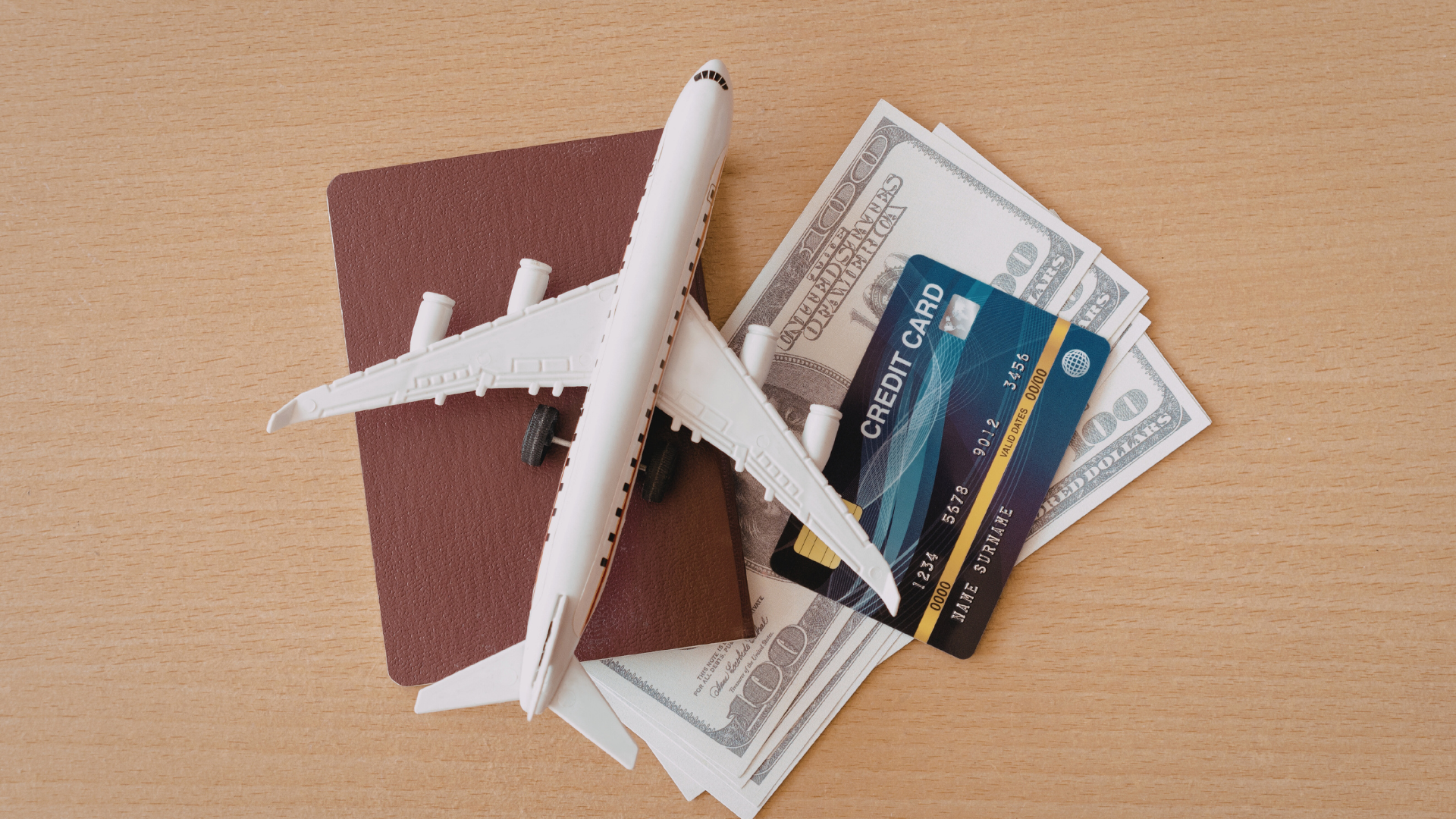
Travelling with budget airlines can save you a lot of money, but it requires some careful planning. Booking in advance, packing light, and knowing the airline’s policies can help you avoid extra fees and get the best deal.
Many travellers miss out on savings because they overlook important details like baggage limits or flight change rules. Understanding these can give you control over your expenses and reduce travel stress.
This guide shares practical tips that anyone can use to navigate budget airlines more effectively. Knowing what to expect and how to prepare makes the difference between a frustrating trip and a smooth, affordable journey.
Choosing the Best Budget Airlines
Selecting the right budget airline involves weighing brand reputation, flight options, and safety records. Consider factors like customer feedback and available routes to find the most suitable carrier for your travel needs.
Evaluating Popular Budget Airline Brands
Popular budget airlines such as Ryanair, Southwest, and EasyJet have distinct features. Ryanair is known for its extensive European network, but charges extra for many services. Southwest offers free checked bags and no change fees, focusing on U.S. domestic travel.
Assess airline policies on baggage, seat selection, and in-flight services. Pay attention to fees that might increase the ticket price. Brand reputation for punctuality and transparency also matters; check for frequent delays or hidden costs. Often, smaller or regional budget carriers provide cheaper fares but with fewer amenities.
Comparing Routes and Destinations
Budget airlines usually serve secondary airports. This can mean lower airport fees but might add travel time to your final destination. Compare airport locations and transfer options.
Review how many routes the airline operates on your desired travel dates. Airlines with broader route networks offer more direct flights and better scheduling flexibility. Some carriers specialise in short-haul, while others serve intercontinental budget flights. Check seasonal route availability to avoid surprises.
Assessing Safety and Customer Reviews
Safety records should be a priority. Check official aviation safety databases for incident history. Budget carriers are regulated under the same authorities as major airlines, but recent performance matters.
Read customer reviews focusing on on-time performance, customer service, and baggage handling. Frequent complaints about cancellations or lost luggage can indicate operational issues. Use multiple sources, like Skytrax and TripAdvisor, to get a balanced view. Prioritise airlines with clear communication policies and good crisis management.
Finding the Cheapest Fares
Securing the lowest price on budget airline tickets requires a clear strategy. Timing, digital tools, and price monitoring all play significant roles in reducing costs.
Booking in Advance vs. Last Minute
Booking early typically offers better prices, especially when purchased several weeks before your travel date. Budget airlines often release limited seats at low prices, which get sold quickly.
Last-minute deals exist but are less reliable and usually occur when airlines want to fill empty seats close to departure. These fares can sometimes be higher due to limited availability.
Consider the nature of your trip when choosing. For flexible plans, waiting can pay off. For fixed schedules, booking at least 3-6 weeks in advance is generally safer to find low fares.
Utilising Flight Comparison Tools
Flight comparison websites aggregate prices from multiple budget airlines. Tools like Google Flights, Skyscanner, and Kayak help find the lowest fares by showing side-by-side options.
Use filters for travel time, stops, and airlines to narrow choices quickly. Some platforms also offer calendar views that highlight the cheapest days to fly.
Always verify prices on the airline’s direct website after finding a deal. This ensures no additional fees or booking restrictions are hidden by third-party platforms.
Tracking Price Alerts for Deals
Setting up price alerts is an efficient way to catch fare drops. Many flight search engines allow you to input routes and delivery preferences for notifications.
These alerts help track fluctuating ticket prices without constant manual searching. They can notify you of flash sales or sudden discounts from budget carriers.
Combine alerts from multiple sources to maximise your chances. Being ready to act promptly when a deal appears is crucial to securing the lowest fare.
Maximising Inclusions and Managing Extra Fees
Budget airlines often have strict rules about what’s included in the ticket price and what comes as extra. Knowing how to navigate baggage allowances, seat selection costs, and in-flight purchases can help avoid unnecessary expenses and make the trip smoother.
Understanding Baggage Policies
Most budget airlines include only a small personal item for free, such as a backpack or purse, with strict size limits. Checked bags and larger carry-ons almost always incur additional fees.
Fees vary widely between airlines and routes, so check the exact baggage allowance before booking. Paying for bags online ahead of the airport is usually cheaper than at check-in or the gate.
Some airlines offer bundled fares that include baggage, which may save money if you plan to travel with extra luggage. Weigh and measure your bags carefully to avoid surprises, as overweight fees can be costly.
Avoiding Seat Selection Charges
Seat selection often has an added cost on budget carriers. Free seat choices when available are usually limited to standard economy seats without extra legroom or preferred locations.
To avoid these fees, consider taking a random seat at check-in. This can be risky if travelling as a group, but it is effective for solo travellers flexible about where they sit.
Early check-in can sometimes give a better chance of preferred seats at no charge, but it varies by airline. Look out for promotions or bundled options that include seat selection as part of the ticket.
Pre-Purchasing In-Flight Services
Food, beverages, and entertainment are rarely complimentary on budget airlines. Pre-purchasing meals or snacks online is usually cheaper than buying onboard.
Many carriers allow you to reserve meals or upgrade to Wi-Fi during booking. This helps avoid higher prices in-flight and ensures availability.
If you prefer not to pay for extras, bring your own snacks within security limits. However, be aware that some airports restrict bringing liquids or certain foods onto the plane.
Packing Strategies for Budget Airlines
Maximising space and adhering to strict baggage rules helps avoid extra fees and delays. Smart packing choices focus on essentials, size limits, and how to distribute items effectively. Efficiency saves money and reduces stress at check-in and boarding.
Travelling with Only a Carry-On
Choose a lightweight, durable carry-on that meets the airline’s size limits precisely. Most budget airlines allow bags around 22 x 14 x 9 inches, including wheels and handles, but check specific carrier rules.
Pack versatile clothing that can mix and match for multiple outfits. Limit shoes to one or two pairs. Use packing cubes or compression bags to organise items and save space.
Remember, liquids must fit in a clear quart-sized bag with containers no larger than 3.4 oz (100 ml). Keep electronics easily accessible for security checks. Weigh your bag before leaving to ensure it meets weight restrictions.
Optimising Personal Item Allowance
Personal items often include small backpacks or tote bags. Airlines typically allow this in addition to your carry-on, with size limits around 18 x 14 x 8 inches.
Use this space wisely by placing valuable or frequently needed items here, like passports, wallets, chargers, and snacks.
Pack heavier items close to your body for comfort. Fold and roll clothes tightly to maximise space. Avoid bulky items that do not compress well.
Check the airline’s personal item policy carefully to avoid surprises, as some carriers may count larger bags as carry-ons.
Navigating Airport and Boarding Procedures
Budget airlines often have strict protocols for check-in and boarding. Paying attention to details like timing and document readiness can prevent delays or extra fees.
Online Check-In Tips
Online check-in usually opens 24 to 48 hours before departure. Completing this step early saves time and may secure better seat options. Most budget airlines charge for airport check-in, so printing your boarding pass or downloading it to your phone beforehand is essential.
Be aware of baggage restrictions during online check-in. If your luggage exceeds weight limits, paying for extra bags online is cheaper than at the airport. Always verify your flight details—date, time, and airport—to avoid costly mistakes.
Arriving Early for Security Checks
Budget airports can experience unpredictable security wait times, especially during peak hours. Arrive at least 90 minutes before domestic flights and 2 hours for international trips to account for these variations.
Carry only permitted items and keep electronics easily accessible to speed up screening. Some budget airports limit liquids to very small quantities, so check restrictions ahead to avoid disposal of items or extra charges. Being prepared reduces stress and helps maintain your schedule.
Enhancing Comfort and Experience Onboard
Maximising comfort on budget airlines involves smart seat selection and preparing your own food and entertainment. Both steps can significantly improve a typically no-frills journey.
Choosing the Best Seats
Selecting the right seat is crucial for comfort, especially on budget flights. Exit rows and bulkhead seats often provide extra legroom but may have restrictions like fixed armrests or no under-seat storage.
Window seats offer views and a wall to lean on, while aisle seats provide easier access to bathrooms and stretch breaks. Check the airline’s seat maps and reviews on sites like SeatGuru before booking.
Avoid seats near lavatories and galleys to reduce noise and foot traffic disturbance. Some airlines allow selecting seats for free during online check-in, so act fast to secure the optimal spot.
Bringing Snacks and Entertainment
Budget airlines usually charge for food and drinks, so bring your own snacks. Opt for non-perishable, mess-free items like nuts, granola bars, or fruit.
Hydration is essential; carry an empty reusable water bottle to fill after security. This saves money and keeps you comfortable, especially on long flights.
Entertainment can come from fully charged devices loaded with movies, music, or e-books. Noise-cancelling headphones reduce cabin noise and improve focus. Portable chargers ensure your gadgets stay powered throughout the journey.
Understanding Budget Airline Loyalty Programs
Budget airline loyalty programs are designed differently from full-service carriers. They typically offer points or miles that can be redeemed for discounts on future flights rather than traditional upgrades or lounge access.
Many budget airlines use straightforward earning structures. For example:
| Activity | Points Earned |
| Booking a flight | Fixed points per dollar spent |
| Using partner services | Bonus points |
| Referring a friend | One-time point credits |
Some programs may require you to register for free before earning points. Others may have tiers, but these are usually simpler and focus on frequent bookings rather than premium benefits.
It’s important to check expiration policies. Points often expire quickly compared to major airline programs, so frequent use is key to maintaining value.
Budget airline loyalty programs can save money if you book consistently with the same carrier. However, unlike full-service programs, expect fewer perks like free checked bags or priority boarding tied to loyalty status.
Travel Insurance and Flexibility Options
When flying with budget airlines, securing travel insurance is essential. These carriers often have stricter refund policies and limited flexibility, so insurance can protect against unforeseen changes.
Many budget airlines offer basic ticket options with no free changes or cancellations. It’s wise to consider flexibility upgrades if available. These add-ons allow for date changes or cancellations with smaller fees.
Travel insurance typically covers trip cancellations, delays, and lost baggage. Review policies carefully to ensure coverage fits your travel plans. Some credit cards also include travel protection, which can be a cost-effective option.
| Flexibility Feature | Description | Typical Cost |
| Change Fee Waiver | Allows changes without extra fees | $20 – $50 per change |
| Cancellation Refund | Full or partial refund on cancellation | Varies, often higher |
| Date Change Flexibility | Ability to modify travel dates | $15 – $40 |
Check the timing for changes or cancellations. Most airlines require adjustments well before departure to qualify for any refund or waiver.
A combination of travel insurance and flexibility options reduces financial risk. Plan ahead and weigh these choices based on how firm your itinerary is.
Tips for International Budget Airline Travel
Booking early is key when flying internationally with budget airlines. Prices increase as the departure date nears, so plan and secure your ticket in advance to save money.
Check baggage policies carefully. Many budget airlines charge high fees for checked and even carry-on luggage. Pack light and use a single personal item if possible.
Arrive at the airport earlier than usual. Budget airlines often have stricter check-in deadlines and fewer support services at the airport. Missing these deadlines can result in denied boarding.
Prepare for fewer amenities onboard. Budget airlines usually do not provide free meals, drinks, or entertainment. Bringing snacks and entertainment is advisable.
Know the visa and entry requirements for your destination. Some countries require travellers to have documented proof of onward travel, which budget airlines may not check, but immigration authorities will.
| Essential Tips | Reason |
| Book tickets early | Lower prices and better seat options |
| Check baggage rules | Avoid surprise fees |
| Arrive early | Meet strict check-in deadlines |
| Bring snacks | No free food on board |
| Verify travel docs | Prevent entry issues |
Be aware of hidden fees like credit card surcharges or seat selection charges. Adding these can increase your total cost, so factor them in before booking.
Travel insurance is recommended. It covers trip cancellations, delays, and medical emergencies, which budget airlines may not accommodate easily.