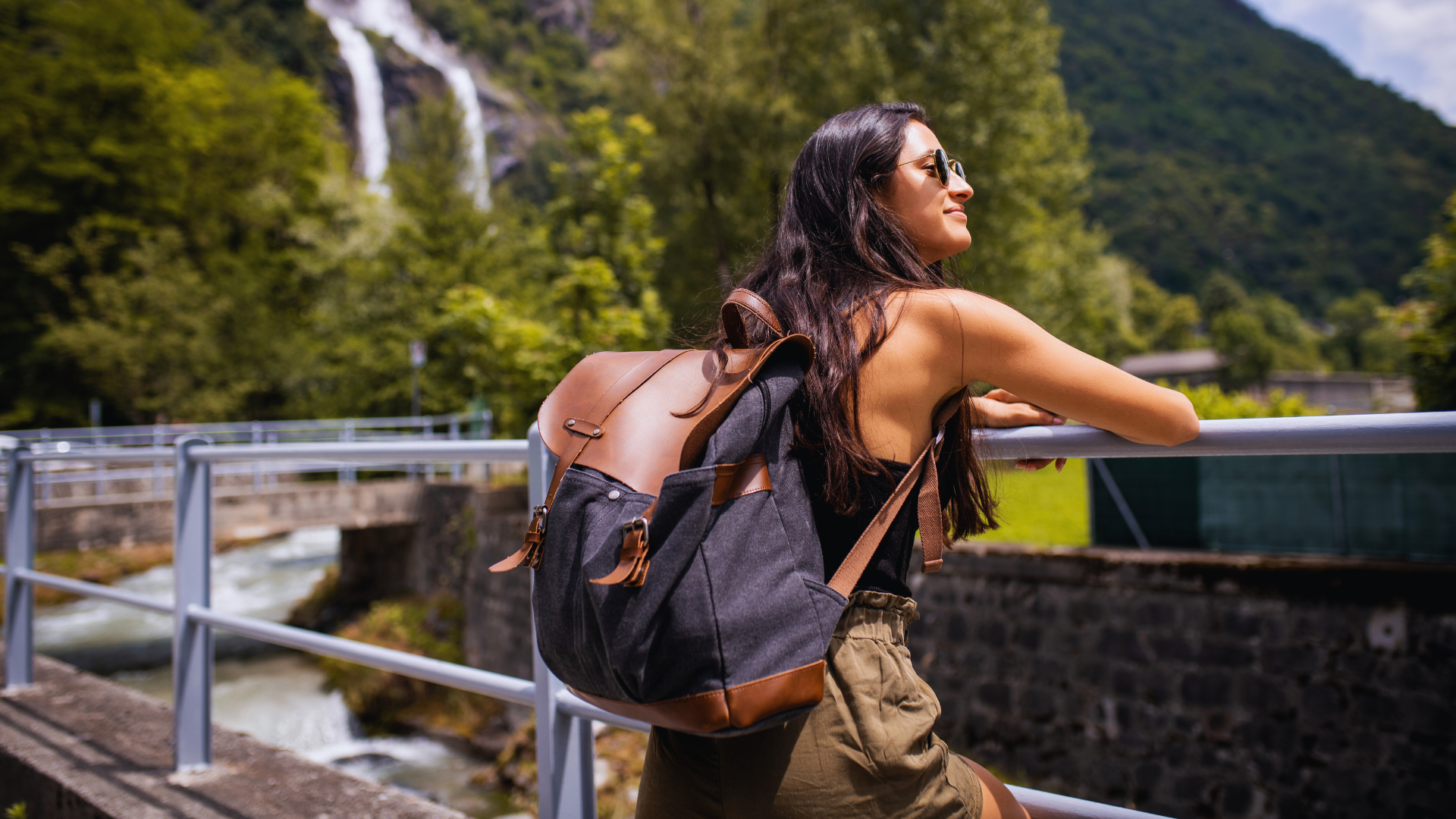
Travelling solo can be a rewarding and empowering experience, but it requires careful planning and awareness. Staying safe, managing your time well, and maintaining a flexible mindset are essential for making the most of your trip.
The best tip for travelling solo is to prepare thoroughly while remaining open to new experiences to balance safety with adventure. Knowing how to navigate unfamiliar places and trusting your instincts can prevent common pitfalls.
Solo travel also offers unique opportunities to connect with locals and yourself in ways group travel can’t provide. Approaching your journey with confidence and clear goals will help ensure a positive and meaningful experience.
Benefits of Travelling Solo
Solo travel allows for deep self-reflection, complete control over plans, and opportunities to build self-reliance. It encourages personal challenges and opens doors to new social connections on your terms. The experience impacts many areas of life positively.
Personal Growth Advantages
Travelling alone pushes you beyond your comfort zone. It requires handling unfamiliar situations independently, which strengthens problem-solving and decision-making skills. These experiences often lead to greater emotional resilience.
Without the influence of companions, you can explore your interests freely. This can clarify what activities and environments truly resonate with you. Many solo travellers report a better understanding of their personal values after time alone abroad.
Solo travel also promotes mindfulness. Being solely responsible for your itinerary enhances self-awareness. This personal growth can translate into improved confidence in everyday life.
Flexibility and Freedom
When you travel solo, you control your schedule completely. No need to compromise on destinations, activities, or dining options. You can wake up early to catch a sunrise or linger late in a favourite spot without negotiation.
Plans can change spontaneously without inconveniencing others. Feeling tired? Skip a museum and relax at a park. Discover a hidden gem? Adjust your itinerary immediately. This level of adaptability suits many travel styles.
Flexibility extends to budget management as well. Solo travellers decide exactly where to splurge and where to save, tailoring costs without debate. This autonomy helps optimise both time and money.
Building Confidence
Handling all aspects of travel alone builds self-assurance. Navigating airports, booking accommodations, and managing language barriers develop practical skills that reinforce belief in personal competence.
Overcoming challenges independently, such as missed connections or unexpected itinerary changes, showcases your ability to remain calm and solution-focused. Each successful experience strengthens confidence in your judgment.
Solo travel also requires constant self-advocacy. This continuous practice of asserting needs and preferences cultivates assertiveness that can benefit professional and social situations back home.
Meeting New People
Travelling solo encourages interaction with locals and other travellers. Without a familiar companion, you become more approachable and open to conversations, increasing chances to make meaningful connections.
Staying in hostels, joining group tours, or visiting cafes can provide natural social opportunities. These interactions may lead to friendships, travel advice, or cultural exchange beyond typical tourist experiences.
Solo travel fosters diverse relationships by removing the comfort of known company. This can expand your worldview and provide a support network during your journey and beyond.
Planning Your Solo Trip
Effective planning helps ensure safety, comfort, and enjoyment throughout your trip. Consider destination suitability, financial limits, lodging options, and daily activities to create a balanced travel outline.
Choosing the Right Destination
Select a destination based on safety, accessibility, and the level of social interaction you prefer. For first-time solo travellers, places with well-developed tourist infrastructure and low crime rates work best.
Check visa requirements and local customs to avoid surprises. Research public transportation and healthcare facilities in case of emergencies.
Prioritise destinations offering activities that match your interests, whether cultural tours, hiking, or city exploration. Language barriers can be a challenge, so consider destinations where you understand or can easily learn the language.
Budgeting and Saving
Start by estimating all expenses: flights, accommodation, food, transportation, activities, and a contingency fund. Use apps or spreadsheets to track anticipated versus actual spending.
Cut costs by travelling during off-peak seasons or booking early. Consider budget airlines and accommodation like hostels or guesthouses.
Set daily spending limits. Cooking your own meals or choosing street food over restaurants can save money. Always have a financial buffer of 10-15% in case of emergencies or unexpected costs.
Booking Accommodation
Choose accommodation based on location, safety, price, and amenities. Prioritise places with good reviews from solo travellers.
Hostels offer social environments and lower prices, but check for secure lockers and 24/7 reception. Alternatively, budget hotels or private Airbnb rentals provide more privacy.
Book accommodations with flexible cancellation policies. Maps and transportation options near your lodging reduce transit time and risk, especially in unfamiliar areas.
Creating an Itinerary
Outline daily plans balancing sightseeing, rest, and spontaneity. Avoid overpacking activities to prevent fatigue.
Include major landmarks, local experiences, and downtime. Research opening hours, entry fees, and booking requirements in advance.
Use digital tools or apps to organise your schedule and keep important contacts handy. Flexibility is key—leave room to explore unexpected opportunities or adjust for weather and mood.
Safety Tips for Solo Travellers
Knowing how to navigate local customs, stay connected, and prepare for emergencies is crucial when travelling alone. These actions reduce risks and help build confidence while on the road.
Researching Local Laws and Culture
Before arriving, check official government travel advisories and local embassy websites for up-to-date laws and regulations. Understand restrictions related to dress codes, alcohol consumption, and public behaviour, as these vary widely.
Learn basic cultural norms. For example, some countries discourage public displays of affection or taking photos of government buildings. Knowing taboos helps avoid unwanted attention or legal issues.
Create a list of emergency contact numbers, including local police, your country’s embassy, and healthcare facilities. Keep a copy on your phone and a paper backup.
Staying Connected and Informed
Maintain regular contact with family or friends by setting up daily or weekly check-ins. Share your accommodation details and travel plans with someone you trust.
Use local SIM cards or international roaming plans to ensure reliable mobile data. Download travel apps for real-time updates on weather, transportation, and security alerts specific to your destination.
Follow local news through trusted sources. Apps like Google News allow customisation by location to track developments that could affect safety.
Emergency Preparation
Carry a compact first aid kit and know basic first aid procedures relevant to your destination. Include common medications for headaches, allergies, or stomach issues.
Register with your embassy’s traveller enrollment program when available. This service alerts you about emergencies like natural disasters or political unrest and helps in case evacuation is needed.
Have a backup payment method separate from your primary wallet. Consider a prepaid card or secure digital wallet for emergencies without carrying large sums of cash.
Packing Essentials for Travelling Alone
When packing for solo travel, focus on efficiency, security, and organisation. Choosing the right items and keeping important documents accessible helps maintain peace of mind and convenience on the road.
Smart Packing Strategies
Use a lightweight carry-on to avoid checked baggage delays. Prioritise versatile clothing that can be layered and mixed to suit different climates and activities. Limit shoes to two pairs: one comfortable for walking, one for formal or specific conditions.
Pack cubes or compression bags to save space and keep your items organised. Include a portable charger, universal adapter, and a small first aid kit. Distribute valuable items across multiple bags to minimise risk if one gets lost or stolen.
Security Items to Bring
Bring a money belt or hidden pouch to protect cash and cards. Use TSA-approved locks on your bags for enhanced airport security. A compact door alarm can provide extra safety in accommodations that lack secure locks.
Consider RFID-blocking wallets or sleeves to prevent electronic pickpocketing. Carry a whistle and a small flashlight for emergencies. Avoid flashy jewellery or accessories that attract attention, and keep your phone’s GPS and emergency contacts easily accessible.
Important Documents to Carry
Always have your passport, visa, and any necessary permits within easy reach. Make physical and digital copies of each document, stored separately. Include printed hotel reservations, transportation tickets, and insurance details.
Organise documents in a travel wallet designed for quick access. Keep emergency contact numbers and embassy information either written down or saved on your phone. Ensure your identification matches what is required by local authorities at your destination.
Navigating New Destinations Alone
When travelling solo, choosing reliable transportation, mastering navigation tools, and managing language differences are essential for smooth movement and confident exploration. These elements contribute to efficiency and safety in unfamiliar places.
Efficient Transportation Options
Solo travellers should consider a combination of public transit, rideshares, and walking to balance cost, safety, and convenience. Public buses and trains often provide the most affordable routes, but check schedules and routes in advance.
Ridesharing apps like Uber or Lyft offer door-to-door service with transparent pricing, useful for late nights or complex routes. Always verify driver and vehicle details before entering. Walking can be effective in compact cities, but keep personal safety in mind, particularly after dark.
Booking tickets online beforehand can save time and reduce stress. Keep small change handy for local buses or trams without card payment options. Prioritise well-lit stations and stops, and have a backup route planned in case of delays.
Using Maps and Navigation Tools
Digital maps like Google Maps or Apple Maps are indispensable for solo travellers. Download offline maps beforehand in case of limited internet access. Use real-time transit updates to avoid missed connections.
Physical maps can be a helpful backup, but often lack detailed route info. Pin key spots such as your accommodation, landmarks, and transit hubs before heading out. Pay attention to landmarks beyond just street names; they aid orientation.
GPS trackers or location-sharing apps increase safety by allowing trusted contacts to follow your journey. Combine map use with asking locals for confirmation of directions when possible. Keep your phone charged with a portable battery pack.
Handling Language Barriers
Learning basic phrases in the local language reduces frustration and enhances interactions. Focus on essentials: greetings, directions, and emergency terms. Carry a phrasebook or language app for quick reference.
Nonverbal communication is crucial; gestures and facial expressions help bridge gaps. Be patient and speak slowly when language fluency is limited. Pointing to written addresses or pictures can clarify meaning.
Translation apps provide immediate assistance but rely on internet access. Download offline language packs to use them anywhere. When in doubt, seek help from hotel staff or tourist information centres, who usually speak some English.
Staying Healthy and Well
Maintaining health while travelling alone requires attention to daily habits, food choices, and knowing where to find medical help if needed. Simple precautions can prevent common issues like dehydration, foodborne illness, or untreated injuries.
Maintaining Personal Wellness
Get enough rest each night to keep energy levels stable. Carry a reusable water bottle and stay hydrated, especially in hot climates or during extensive walking. Pack essential vitamins or medications to manage existing health conditions.
Use sunscreen and insect repellent to avoid skin damage and insect-borne diseases. Regular hand washing or using hand sanitiser helps reduce germs. Avoid excessive alcohol, which can impair judgment and worsen dehydration.
Eating Safely Abroad
Choose foods that are freshly cooked and served hot. Avoid raw vegetables or unpeeled fruits unless you can wash them yourself. Street food can be safe if vendors maintain cleanliness, but trust your instincts.
Drink bottled or filtered water only. Skip ice cubes unless you know they use purified water. If trying dairy products, opt for those that are pasteurised to reduce the risk of stomach illnesses.
Access to Medical Services
Research local healthcare facilities in advance, noting hospitals or clinics with good reputations. Carry a list of emergency contacts and your health insurance information. Some countries require travellers to have specific vaccinations—check these before departure.
Consider purchasing travel insurance that covers medical evacuation. Keep common medications, like pain relievers or allergy medicine, easily accessible. Knowing basic first aid or carrying a small kit can help manage minor injuries quickly.
Making the Most of Your Solo Experience
Embracing new connections, engaging with others, and preserving memories are key steps to enriching solo travel. These actions enhance your experience beyond just visiting places.
Connecting with Locals
Interacting with locals provides authentic insights into the culture and daily life of your destination. Approach conversations with openness and respect to build genuine rapport.
Use local markets, cafes, or community events as natural settings to meet people. Asking for recommendations or sharing a meal can lead to meaningful exchanges.
Learning a few phrases in the local language often breaks down barriers and shows appreciation for the culture. It also increases the chances locals will engage warmly.
Participating in Group Activities
Joining group tours or classes tailored for solo travellers helps reduce loneliness and introduces you to like-minded people. Activities such as cooking classes, city tours, or hiking groups offer structured social environments.
Choose smaller group sizes for better interaction and flexibility. Research community bulletin boards or online platforms like Meetup or Couchsurfing for locally organised events.
Scheduling group activities balances your solo adventure with social opportunities, providing safety and broadening your travel perspective.
Documenting Your Journey
Recording your trip allows reflection and sharing with others. Use journals, blogs, or photo diaries to capture experiences and emotions precisely.
Set aside time daily or weekly to document highlights and challenges. Include details like place names, people met, or unexpected moments for a richer record.
Backup digital files regularly. This practice ensures your memories stay secure and accessible for future reference or storytelling.
Overcoming Challenges When Travelling Alone
Solo travel presents challenges that require practical strategies. Addressing emotional, logistical, and safety concerns beforehand can make the experience smoother and more enjoyable.
Dealing with Loneliness
Loneliness is common when travelling solo, but can be managed through planned social interactions. Joining group tours, classes, or meetups offers chances to connect without depending on strangers’ schedules.
Keep communication with family or friends regular to maintain emotional support. Use apps to meet other travellers or locals safely. Scheduling activities that require interaction, such as cooking classes or language lessons, reduces feelings of isolation.
Balance alone time and social time. Embrace moments of solitude for self-reflection rather than viewing them as negative. Having a routine or small personal goals each day helps maintain focus.
Managing Travel Hiccups
Unexpected problems like delayed flights, lost luggage, or language barriers are frequent when alone. Prepare by keeping digital and physical copies of important documents and emergency contacts.
Use clear, simple language or translation apps to communicate. Have a phrasebook or notes for essential phrases ready. Carry a power bank and phone charger to stay connected and calm when resolving issues.
Stay patient and flexible. Rebooking an accommodation or transport alone means you control decisions, but also bear full responsibility. Prioritise safety and seek help from official sources like tourism offices or reputable locals.
Handling Uncomfortable Situations
Safety concerns are more pressing solo. Trust instincts and avoid risky areas, especially at night. If feeling uneasy, leave immediately without hesitation.
Be aware of scams targeting solo travellers. Protect valuables and remain alert in crowded places. Blend in by dressing modestly and avoiding flashy items.
If confronted, keep calm and use assertive but non-aggressive language. Know local emergency numbers in advance. Having a whistle or personal alarm can aid in deterring threats quickly.
Sustainable and Responsible Solo Travel
Travelling solo offers a unique chance to connect deeply with local cultures while minimising negative impacts. Prioritise sustainability by choosing eco-friendly accommodations and supporting local businesses.
Be mindful of your resource consumption. Simple actions like reducing plastic use, conserving water, and minimising energy waste can make a difference.
Respect local customs and environments. Avoid disturbing wildlife, stay on marked trails, and seek permission before photographing people or private areas.
| Action | Benefit | Example |
| Use reusable water bottles | Reduces plastic waste | Carry a refillable bottle |
| Choose public transport | Lowers carbon footprint | Ride local buses or trains |
| Support local vendors | Boosts local economy | Buy crafts or eat street food |
Engaging with communities respectfully enhances your experience. Learn basic phrases in the local language and approach interactions with openness and humility.
Solo travellers can lead by example. Adopting sustainable habits not only protects destinations but also encourages others to follow.
Reflecting on Your Solo Adventures
After a solo trip, taking time to reflect helps deepen your travel experience. It allows you to process new perspectives and lessons learned during your journey.
Consider keeping a travel journal. Writing down key moments, challenges, and feelings can reveal patterns about your preferences and growth. It also creates a record to revisit later.
Review your trip by asking questions like:
| Reflection Questions | Purpose |
| What was the most rewarding part? | Identifies highlights |
| What challenges did I face? | Helps prepare for the next trip |
| How did I handle being alone? | Builds self-awareness |
| What did I learn about myself? | Encourages personal growth |
Self-reflection can show how solo travel affects confidence and adaptability. It often highlights skills such as problem-solving and decision-making gained from navigating unfamiliar places independently.
Reflecting on your adventures also guides future planning. Knowing what worked well or caused discomfort helps tailor your next trip to improve the experience.
Taking this step reinforces travel’s value beyond just visiting new locations. It transforms trips into meaningful personal development moments.