
Choosing the right snacks for travel can make a big difference in comfort and energy levels during your journey. The best travel snacks are those that are easy to pack, non-perishable, and provide a good balance of nutrients to keep you satisfied.
Options like nuts, dried fruits, whole-grain crackers, and protein bars offer convenience and lasting energy without mess or spoilage. These snacks help avoid the pitfalls of unhealthy airport or convenience store options.
Planning your snacks ahead saves time and keeps hunger at bay, making travel smoother and less stressful.
Criteria for Choosing the Best Travel Snacks
Selecting travel snacks requires attention to factors that support convenience, safety, and health throughout the journey. Prioritising how easy the snack is to carry, how long it stays fresh, its nutritional profile, and any allergy concerns ensures a smooth and enjoyable travel experience.
Portability and Packaging
Travel snacks must be easy to carry without adding bulk or mess. Compact snacks with resealable packaging, such as nuts in small pouches or granola bars wrapped individually, are ideal. Packaging should protect from crushing and spills, especially during air or road travel.
Lightweight options reduce load and save space in backpacks or carry-ons. Avoid snacks requiring utensils or refrigeration, as these are impractical for most trips. Durable, airtight containers help maintain freshness and prevent contamination while on the move.
Shelf Life and Freshness
Long shelf life is crucial for snacks taken on trips lasting several days or without easy access to fresh food. Choose snacks that remain edible and safe without refrigeration for extended periods, like dried fruits, jerky, or sealed nut mixes.
Packets labelled “best by” dates provide guidance on freshness, but consider those with naturally low moisture content to reduce spoilage risk. Avoid snacks that spoil quickly or rely on perishable ingredients to ensure availability throughout travel.
Nutritional Value
Prioritise snacks that deliver sustained energy and essential nutrients. Foods high in protein and healthy fats, like mixed nuts or trail mix, help maintain satiety during long hours of movement or waiting. Complex carbohydrates, such as whole-grain crackers or cereal bars, provide steady energy release.
Limit snacks high in added sugars and artificial ingredients, which can cause energy crashes or digestive discomfort. Balanced nutrition supports alertness and well-being during travel, especially on strenuous or lengthy trips.
Allergy Considerations
Be mindful of common allergens like peanuts, tree nuts, dairy, gluten, and soy when choosing travel snacks. Select options clearly labelled as allergen-free if allergies are a concern for the traveller or companions.
Cross-contamination can occur in manufacturing; checking for “processed in a facility” notices helps identify risks. For group travel, multiple allergy-friendly snack choices reduce worry and accommodate different dietary restrictions safely.
Top Healthy Snack Options for Travellers
Healthy travel snacks should be easy to carry, nutritious, and keep energy levels steady. High-protein items, low-sugar alternatives, and nutrient-dense nuts and seeds are valuable choices for sustained satiety and convenience.
Protein-Rich Choices
Protein-rich snacks help maintain muscle mass and keep hunger at bay during long trips. Hard-boiled eggs, jerky (beef or turkey), and individual packs of Greek yoghurt provide concentrated protein without excessive bulk.
For vegetarian options, roasted chickpeas and edamame offer plant-based protein with added fibre. Protein bars are convenient, but choose brands low in added sugars and artificial ingredients.
Packaged cheese sticks or cottage cheese cups serve as satisfying, calorie-controlled options. These snacks stabilise blood sugar and reduce the urge to overeat when meals are delayed.
Low-Sugar Alternatives
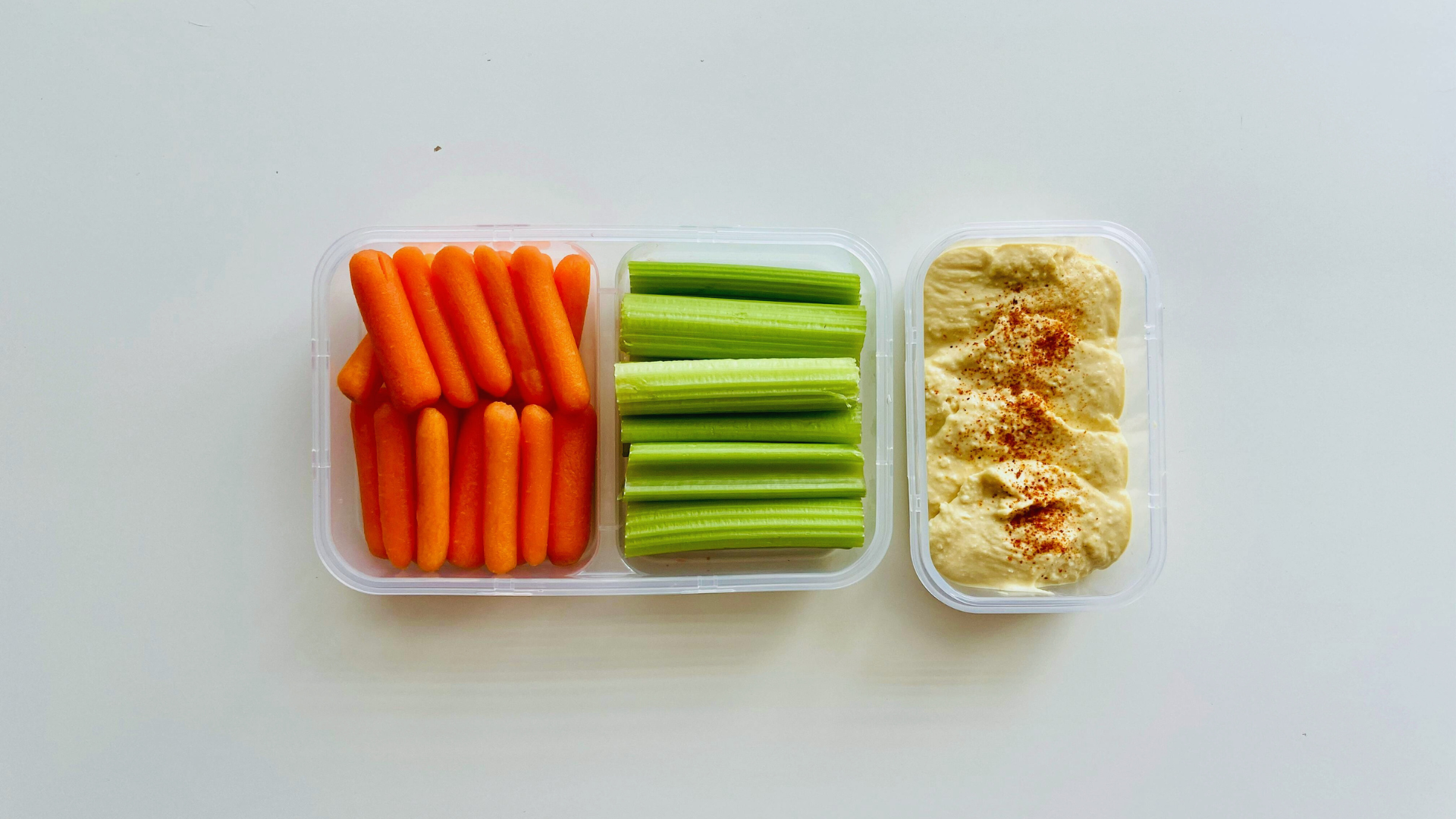
Travelling often tempts people with sugary treats, but low-sugar snacks promote consistent energy. Fresh vegetables like carrot sticks, cucumber slices, and bell pepper strips paired with hummus make refreshing, low-calorie snacks.
Air-popped popcorn without butter or sugar is a whole-grain option. Avoid candy bars and sweetened granolas; instead, choose nut butters with no added sugar for dipping or spreading.
Look for trail mixes labelled “no added sugar” or fruit snacks made purely from dried fruit with no sweeteners to avoid sugar spikes that can cause energy crashes.
Nut and Seed Mixes
Nuts and seeds are portable, nutrient-dense, and provide healthy fats essential for brain function and stamina. Almonds, walnuts, pumpkin seeds, and sunflower seeds supply protein, fibre, and minerals like magnesium.
To reduce sodium intake, select unsalted or lightly salted varieties. Mix seeds and nuts with dried fruits for a balanced snack, but monitor portion sizes to keep calorie intake moderate.
Prepackaged nut mixes designed for travel often contain preservatives and added salts; homemade mixes let you control quality and contents, ensuring freshness and nutritional value.
Kid-Friendly Travel Snacks
Choosing snacks for kids on the go requires attention to convenience and appeal. Options that minimise mess and maintain taste are essential for smooth journeys. Easy packaging and engaging flavours help keep children satisfied and parents stress-free.
Mess-Free Ideas
Snack items that avoid crumbs and sticky residue are ideal for travel. Pre-portioned cheese sticks, baby carrots, and peeled grapes are simple choices. These can be eaten without utensils or additional wrappers.
Resealable pouches with yoghurt or applesauce offer nutritional value without spills. Frozen fruit bars in individual sleeves also reduce mess while providing a cold treat. Avoiding overly greasy or powdery snacks prevents stain risks and keeps hands clean.
Fun and Tasty Options
Brightly colored options often attract kids’ attention. Mini rice cakes with mild flavours like cheddar or apple cinnamon appeal to a wide range of tastes. Whole-grain crackers paired with small single-serve hummus packs add protein without hassle.
Fruit leather, trail mix with dried fruit and nuts (if no allergies), and bite-sized cereal bars provide energy and variety. Using compartmentalised snack boxes can organise these items, making them accessible and visually appealing for children during travel.
Best Snacks for Long Journeys
Choosing the right snacks for long trips means balancing convenience, nutrition, and freshness. Some options require no refrigeration and can last for hours, while others maintain their texture and taste even without immediate consumption.
Non-Perishable Picks
Non-perishable snacks are ideal for long trips where refrigeration isn’t available. Popular choices include nuts, dried fruits like apricots or raisins, and granola bars. These items provide sustained energy and are easy to pack.
Other good options are rice cakes, beef jerky, and roasted chickpeas. These snacks don’t spoil quickly and typically have a longer shelf life. They also deliver a mix of protein, fibre, and healthy fats to keep hunger at bay.
Many travellers prefer these because they can be stored at room temperature without losing quality. Packaging that is resealable or airtight helps maintain freshness over several hours of travel.
Snacks That Stay Fresh
Some snacks stay fresh without chilling if packaged correctly. Fresh fruit like apples, bananas, and oranges holds up well. These options are hydrating and provide natural sugars for quick energy.
Cut vegetables such as carrot sticks, celery, or cucumber slices also remain crisp for several hours if stored in airtight containers or wrapped tightly.
Other good choices include hard cheeses and individually wrapped sandwiches with non-perishable fillings like peanut butter or honey. Using insulated lunch bags can extend the freshness of these snacks during the trip.
Keeping moisture and temperature in mind can make a significant difference in snack quality over time.
Gluten-Free and Vegan Snack Options
Travel snacks that meet both gluten-free and vegan requirements are increasingly accessible and varied. Choosing options with natural ingredients helps maintain energy and avoid common allergens or animal products.
Gluten-Free Variety
Gluten-free snacks focus on avoiding wheat, barley, rye, and related grains. Popular choices include rice cakes, nuts, and seeds that offer good texture and protein.
Pre-packaged gluten-free granola bars and popcorn are widely available. Look for brands explicitly labelled gluten-free to prevent cross-contamination.
Dried fruits like apricots and mangoes provide natural sweetness without gluten. Many gluten-free snacks use alternative flours such as almond, chickpea, or coconut, which add flavour and nutrients.
Plant-Based Choices
Plant-based snacks exclude animal-derived ingredients like dairy, eggs, and honey. Fresh fruit, raw nuts, and seeds are simple, convenient options rich in fibre and healthy fats.
Vegan energy bars often combine oats, nuts, and dried fruit with natural sweeteners like maple syrup. Hummus packets paired with gluten-free crackers or veggie sticks work well for savoury snacking.
Roasted chickpeas and seaweed chips deliver crunch without animal products or gluten. Check labels carefully to ensure no hidden dairy or gelatin.
| Snack Type | Examples | Key Benefits |
| Gluten-Free Bars | KIND, Larabar | Convenient, allergen-safe |
| Plant-Based Savoury | Hummus, Roasted chickpeas | High protein, nutrient-dense |
| Fresh Fruit | Apples, berries | Hydrating, natural sugar |
Homemade vs. Store-Bought Snacks
Choosing between homemade and store-bought snacks involves weighing factors like ingredient control, freshness, and ease of access. Both options have advantages depending on your priorities for taste, nutrition, and time management during travel.
Benefits of DIY Snacks
Preparing your own snacks lets you control exactly what goes into them. You can avoid preservatives, excessive salt, and added sugars by using fresh, whole ingredients. This is especially useful if you have specific dietary needs or preferences, such as gluten-free or low-sodium.
Homemade snacks often provide better freshness and can be tailored in portion size to avoid overeating. Simple recipes like trail mix, granola bars, or fresh fruit slices require minimal preparation but offer cleaner nutrition.
Cost savings are another advantage. Buying bulk ingredients and making snacks in batches tends to be more economical than purchasing individual prepackaged items, especially for longer trips.
Convenience of Prepackaged Options
Store-bought snacks excel in convenience. They require no prep time, are easy to carry, and often come in resealable packaging ideal for travel. This makes them practical for quick purchases or last-minute packing.
Many brands now offer healthier prepackaged snacks with clear ingredient labels, which can save time while still aligning with nutritional goals. They also provide consistent flavour and texture that you can rely on to satisfy cravings.
Availability is broad—most convenience stores, airports, and gas stations stock a variety of snack types. This accessibility is critical during unpredictable travel schedules or when you don’t have access to fresh ingredients.
Packing and Storing Snacks for Maximum Freshness
Proper containers and storage methods extend snack freshness and prevent spills or crushing. Tailoring packing techniques to the travel mode helps maintain texture, flavour, and safety.
Best Containers and Solutions
Use airtight containers to keep snacks crisp and fresh. Plastic or glass containers with tight-sealing lids prevent moisture and air exposure. For small portions, silicone snack bags or reusable zip-lock bags work well and reduce waste.
Vacuum-sealed bags are ideal for long trips, preserving freshness by removing air. Insulated lunch bags or coolers maintain temperature-sensitive snacks like cheese or fruit. Wrap delicate items, such as cookies or crackers, in parchment paper to avoid breakage.
Labels with packing dates can help track freshness. Avoid bulky containers that waste space and use stackable options to optimise packing.
Packing Tips for Different Modes of Travel
For car trips, compact containers allow easy access and reduce clutter. Keep snacks separate to avoid flavour mixing, and use cooler packs for perishables. Place heavier snacks at the bottom to avoid crushing.
On flights, use clear, re-sealable bags for security checks. Limit liquid or moist snacks to 3.4 ounces or less. Avoid strong-smelling foods to respect fellow passengers.
For train or bus travel, use robust containers that withstand bumps. Pack snacks in portion sizes for quick access. Keep reusable utensils inside to reduce waste and maintain hygiene.
Hydration and Beverages to Take Along
Staying hydrated during travel is crucial. Water is the best choice for all trips, as it keeps you refreshed without added sugars or calories. A reusable water bottle is a smart investment, allowing easy refills and reducing plastic waste.
For longer journeys, consider electrolyte drinks to maintain salt balance and energy. Choose low-sugar options to avoid unnecessary calories and sugar crashes. Herbal teas or flavoured water can also add variety without compromising hydration.
Avoid caffeinated beverages as primary hydration sources, since they may cause dehydration. If caffeine is needed, limit it and balance it with plenty of water.
| Beverage Type | Benefits | Tips |
| Water | Hydration, zero calories | Use a refillable bottle |
| Electrolyte drinks | Replenish salts, energy boost | Choose low-sugar versions |
| Herbal tea | Flavorful, hydrating | Drink warm or cold as preferred |
| Flavored water | Variety, mild flavor | Check for added sugars |
| Coffee/Tea (caffeinated) | Alertness | Limit intake and drink water alongside |
Snacking Tips for International Travel
When travelling internationally, pack snacks that comply with customs regulations. Avoid fresh fruits, vegetables, and meats, as many countries have strict rules against bringing these items.
Choose shelf-stable snacks that don’t require refrigeration. Examples include nuts, dried fruit, granola bars, and crackers. These options stay fresh longer and are convenient for long flights or layovers.
Consider portion size. Small, individually wrapped snacks help with sharing and minimise mess. They also make it easier to control intake and reduce waste.
Stay hydrated by pairing snacks with water or electrolyte drinks. Avoid excessive caffeine or sugary drinks, which can dehydrate you during long flights.
Here’s a quick checklist for international snack packing:
| Snack Type | Benefits | Notes |
| Nuts | High protein, non-perishable | Check for nut restrictions |
| Dried fruit | Sweet, long shelf life | Avoid fruit with added sugar |
| Granola/energy bars | Convenient, filling | Choose low-sugar options |
| Crackers | Light and easy to carry | Pair with cheese on arrival |
| Seeds | Nutrient-dense | Good for quick energy boosts |
Always check airline and destination country policies before packing snacks. This avoids confiscation and ensures compliance with local rules.
Snacks to Avoid While Travelling
Certain snacks can cause discomfort or inconvenience during travel. Avoid foods that are overly greasy or heavy, such as fried items, because they can lead to indigestion or nausea in confined spaces.
Snacks that are overly salty or sugary can also be problematic. These may cause dehydration, especially on long flights or road trips. It is better to opt for snacks that help maintain hydration and energy steadily.
Foods with strong odours should be skipped. Items like durian, certain cheeses, or spicy snacks can disturb other travellers and draw unwanted attention. Respect for shared spaces is important.
Highly perishable snacks, such as dairy products or fresh meats, should be avoided without proper refrigeration. They risk spoiling and may cause foodborne illness.
| Snacks to Avoid | Reasons |
| Greasy fried foods | Indigestion, nausea |
| High salt/sugar snacks | Dehydration |
| Strong-smelling foods | Disturbance to others |
| Perishable items | Spoilage, foodborne illness |
Conclusion
Choosing the right travel snacks depends on your preferences, dietary needs, and the length of your journey. Snacks that are portable, non-perishable, and provide balanced nutrition tend to work best.
Healthy options like nuts, dried fruit, and whole-grain crackers offer sustained energy without excess sugar. For convenience, single-serve packaging helps control portions and reduces mess.
Here’s a quick comparison of popular travel snacks:
| Snack Type | Portability | Nutrition | Shelf Life |
| Nuts | High | High in protein & fat | Long |
| Dried Fruit | High | Good carbs & fiber | Long |
| Granola Bars | Moderate | Mixed nutrients | Moderate |
| Fresh Fruit | Low | Vitamins & hydration | Short |
Packing a variety of snacks can help avoid fatigue and hunger during travel. Avoid overly salty or sugary snacks as they might cause dehydration or energy crashes.
Hydration is equally important. Pair snacks with water or electrolyte drinks to maintain balance.
Consider your destination’s conditions and travel constraints when planning snack options. The best snacks combine taste, practicality, and nutrition for a smooth travel experience.